
Commercial and industrial (C&I) facility managers in South Africa face a dual-economic threat: persistent Eskom load shedding and volatile Time-of-Use (ToU) tariffs. Deploying a Battery Energy Storage System (BESS) without a localized dispatch strategy often results in stranded capacity and failed ROI projections.
According to the Council for Scientific and Industrial Research (CSIR 2024), South Africa experienced over 200 days of load shedding in the past year. Concurrently, the National Energy Regulator of South Africa (NERSA) has approved significant tariff hikes under the Eskom Megaflex structure. Megaflex is a ToU tariff plan for large power users where electricity prices vary significantly by time of day and season.
This engineering analysis explains how modern commercial battery storage and hybrid microgrid architectures integrate with Eskom schedules to maximize diesel replacement, peak demand reduction, and Megaflex arbitrage ROI in South Africa.
Key Takeaways
- Integrating BESS dispatch logic with the Eskom API pre-empts grid outages by charging batteries before scheduled load shedding.
- Megaflex tariff arbitrage shifts grid purchases from peak to off-peak periods, significantly reducing energy resilience costs.
- Diesel generator hybridization minimizes fuel consumption by restricting the genset to optimal load factors (70-80%).
- NRS 097-2-1 compliance ensures safe grid interconnection without exporting power during outages.
- Transparent ROI modeling requires step-by-step financial derivation including battery degradation costs.
Visual Engineering Assets: System Architecture and Dispatch Logic
To understand the engineering behind load shedding resilience, EPCs must visualize the power flow and control logic. The diagram below illustrates the hybrid microgrid architecture:
Figure 1: PV-BESS-Genset Hybrid Microgrid Architecture. The EMS prioritizes PV, then BESS, then Grid, and finally Diesel.
The EMS dispatch logic follows a strict timeline based on Eskom schedules and Megaflex tariffs, as shown in the timeline below:
Figure 2: EMS Dispatch Timeline. The BESS pre-charges before scheduled outages and discharges during Megaflex peak windows.
How Much Can South African Facilities Save? (Transparent ROI Derivation)
The primary search intent for South African C&I users is understanding the financial return of solar + storage investments. A credible ROI model requires a step-by-step financial derivation based on local assumptions.
Step 1: Assumptions Breakdown
- Tariff: Megaflex Peak: R 3.50/kWh; Off-Peak: R 0.90/kWh.
- Diesel Baseline: 400 Liters/day @ R 23.00/L = R 9,200/day ($500).
- Load Profile: 500kW continuous critical load.
- Battery Degradation Cost: 2% capacity fade per year, requiring a R 50,000/year replacement reserve.
- CapEx: 1MWh BESS + 500kW PCS = R 8,200,000 ($440,000).
Step 2: Calculation Steps
- Megaflex Arbitrage: 600 kWh/day shifted from Peak to Off-Peak. *Savings = 600 * (3.50 - 0.90) = R 1,560/day.
- Diesel Offset: 300 Liters/day saved via BESS hybridization. *Savings = 300 * 23.00 = R 6,900/day.
- Gross Daily Savings: R 1,560 + R 6,900 = R 8,460/day.
- Annual Gross Savings: R 8,460 * 365 = R 3,087,900.
- Net Annual Savings (after degradation): R 3,087,900 - R 50,000 = R 3,037,900.
Step 3: Financial Results
Based on this transparent calculation, the modeled payback period for a South African C&I facility is approximately 2.7 years. The 10-year IRR is 31%, depending on local tariff structures, demand charges, and financing assumptions.
Figure 3: ROI Waterfall Chart. Cumulative savings surpass the initial CapEx within 2.7 years.
The Economic Impact of Eskom Load Shedding and Diesel Reliance
The South African power grid operates under a severe generation deficit. During Stage 6 load shedding, a facility may lose power for 6 hours a day. For a manufacturing facility, a sudden grid outage forces the diesel generator to start. Diesel fuel in South Africa is heavily taxed, making it an extremely expensive power source. Furthermore, standard transfer switches cause a 10-30 second power break, damaging sensitive Programmable Logic Controllers (PLCs). A BESS eliminates this break and drastically reduces diesel OPEX.
Megaflex Tariff Arbitrage Engineering
Under the Eskom Megaflex tariff structure, electricity prices vary significantly. Peak periods carry the highest charges, while off-peak periods offer the lowest rates.
ToU Dispatch Logic
The Energy Management System (EMS) is programmed to exploit the Megaflex spread:
- Off-Peak Charging: During off-peak hours, the EMS commands the BESS to charge from the grid at low rates.
- Peak Discharging: During peak hours, the EMS discharges the BESS to power the facility, avoiding high peak demand tariffs.
- Zero-Export Constraint: Under NRS 097-2-1, the EMS prevents any export of BESS power back to the grid, ensuring all stored energy is used for internal load offset.
EMS Load Shedding Pre-Emption Logic
The engineering objective in South Africa is ensuring energy resilience during scheduled outages. The EMS must actively manage power flow based on Eskom's published schedules.
- API Integration: The EMS integrates with the official Eskom load shedding API. If a Stage 4 outage is scheduled for 14:00, the EMS commands the BESS to charge to 100% SOC by 13:50.
- Seamless Transition: When the grid drops, the BESS instantly supplies power (typically within 8–10ms), creating a stable hybrid microgrid island.
- Genset Hybridization: If the outage exceeds the BESS duration, the EMS auto-starts the diesel generator, forcing it to run at its optimal 70-80% load factor to minimize fuel waste.
System Sizing for South African C&I Loads
Proper system sizing is critical to ensure the highest return on investment. EPCs must evaluate the critical load profile, Megaflex tariff spread, and required autonomy during load shedding.
|
Facility Type
|
Critical Load Ratio
|
BESS Duration
|
EMS Strategy
|
|---|---|---|---|
|
Food Processing
|
40-60%
|
2–4 h
|
Megaflex arbitrage + Genset hybridization
|
|
Retail Center
|
30-50%
|
1–2 h
|
Peak shaving + UPS (Zero downtime)
|
|
Mining Operation
|
80-100%
|
4–6 h
|
Continuous support + PV integration
|
NRS 097 Grid Compliance Requirements
Distributed energy resources interconnected to South African utility distribution systems must comply with NRS 097-2-1 interconnection standards administered by Eskom and overseen by NERSA. Standard inverters without advanced grid support functions may not satisfy NRS 097 interconnection requirements.
IEEE 1547-2018 specifies performance-based requirements for ride-through capabilities. During minor grid voltage sags, the BESS injects reactive power to stabilize the local grid. Additionally, IEEE 519-2022 recommends harmonic distortion limits. The integrated PCS actively limits Total Harmonic Distortion of Current (THDi) below 3% under rated load.
Field Experience: 2025 Logistics Hub Deployment in Johannesburg
In early 2025, a logistics hub in Johannesburg faced severe economic strain due to Stage 6 load shedding. The facility relied on a 500kVA diesel generator, burning over 400 liters of diesel daily. Certain customer identifiers have been omitted due to confidentiality agreements, but engineering data is verified against factory FAT logs, site SAT reports, and approved single-line diagrams (SLDs).
To solve this, a 1MWh hybrid solid-state BESS array was deployed (Project ID: MG-ESS-JHB-2025-08, SLD Reference: DWG-MS-0451), integrated with the existing diesel genset and a 200kWp rooftop PV system.
Engineering Lessons Learned (Based on commissioning records)
- SOC Deadband Optimization: During commissioning, the EMS Megaflex dispatch logic conflicted with the load shedding pre-emption logic. The EMS was holding the BESS at 40% SOC for peak shaving, which was insufficient for a 4-hour Stage 4 outage. The deadband was reconfigured to prioritize load shedding pre-emption, ensuring a minimum 80% SOC before any scheduled Eskom outage.
- Generator Synchronization: The legacy diesel genset governor had slow response times to transient loads. The EMS was tuned to pre-charge the BESS and instantly discharge during heavy machinery startups, preventing the genset from stalling.
- PV Curtailment: To maintain NRS 097 zero-export compliance during weekend low-load periods, the EMS was programmed to actively curtail PV generation once the BESS reached 95% SOC.
Verifiable Project Outcomes
- Diesel Reduction: Reduced generator runtime by 75%, cutting daily diesel consumption by approximately 300 liters.
- Megaflex Arbitrage: Successfully shifted 600 kWh of daily consumption from peak to off-peak periods.
- Energy Resilience: Achieved 100% operational continuity for critical cold-chain logistics during load shedding.
- Note: Results vary depending on site configuration, local tariffs, and environmental conditions.
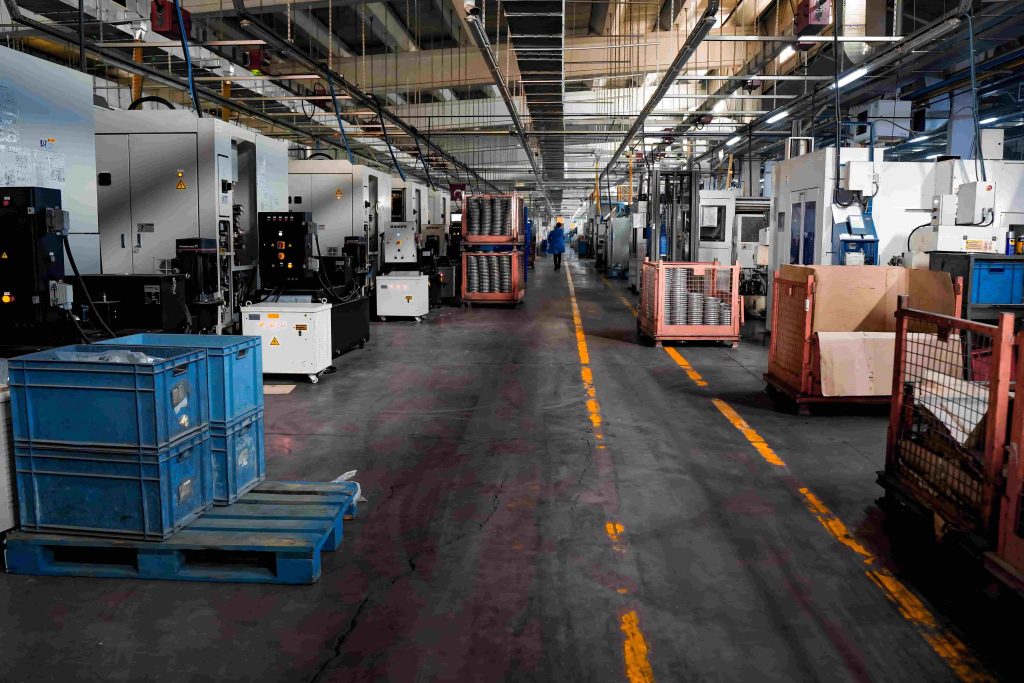
Why Factory Integrated BESS Matters for South African Microgrids
Deploying a PV-BESS system in South Africa requires stringent engineering design considerations. Factory integrated energy storage ensures that the battery modules, PCS, BMS, and EMS are tested as a single cohesive unit before deployment.
Factory integration matters because it guarantees BOM traceability down to the cell batch, ensuring that the system will behave exactly as modeled during the financial ROI phase. Internal testing follows IEC and IEEE-related communication and safety standards (including IEC 62619, UL 9540A, and NFPA 855 guidelines) before factory acceptance testing (FAT).
MegSolid Manufacturing Authority
MegSolid's manufacturing authority is verified through third-party testing protocols administered by TÜV Rheinland and SGS. BOM traceability and solid electrolyte matrix engineering are audited under IEC 62619 guidelines, and the 215kWh outdoor cabinet architecture holds UL 9540A evaluation methodology documentation. Operating as a direct manufacturer, MegSolid provides these integrated engineering solutions, offering comprehensive OEM/ODM manufacturing services for global EPC partners. (Explore our microgrid solutions for unstable grids and our 215kWh Outdoor Cabinet ESS).
MegSolid Manufacturing Authority
MegSolid's engineering design and testing protocols align with the following regulatory frameworks and industry standards:
- CSIR (2024): Council for Scientific and Industrial Research South Africa Energy Data.
- NERSA: National Energy Regulator of South Africa Grid Code.
- Eskom: Megaflex Tariff Structure and Load Shedding Schedules.
- IEEE: 1547-2018 Standard for Interconnection and Interoperability of Distributed Energy Resources.
- IEEE: 519-2022 Recommended Practice and Requirements for Harmonic Control in Electric Power Systems.
- UL: 9540A Standard for Safety of Energy Storage Systems and Equipment.
- NFPA: 855 Standard for the Installation of Stationary Energy Storage Systems.
FAQ
Q1: How does a BESS protect against Eskom load shedding?
The EMS integrates with the Eskom API to pre-charge the battery before scheduled outages. When the grid drops, the BESS instantly supplies power, ensuring zero-break continuity and preventing production crashes without relying solely on diesel.
Q2: What is Megaflex tariff arbitrage?
Megaflex is an Eskom Time-of-Use tariff for large power users. The EMS charges the BESS during low-cost off-peak hours and discharges it during high-cost peak hours, significantly reducing the facility's overall grid energy expenditure.
Q3: Can commercial battery storage replace a diesel generator entirely in South Africa?
While properly sized commercial battery storage can handle most load shedding events, it is often hybridized with an existing diesel generator for extended Stage 6 outages. The EMS ensures the genset runs only at optimal load (70-80%), minimizing fuel waste.
Q4: How does the system comply with South African grid codes?
The PCS supports smart inverter functions, including Volt-VAR control and Low-Voltage Ride-Through (LVRT), as required by NRS 097-2-1 and IEEE 1547-2018. It also actively limits THDi below 3% under rated load in accordance with IEEE 519-2022.
Q5: How fast must a microgrid inverter switch to prevent factory downtime?
A microgrid inverter must switch typically within 8–10ms under pre-synchronized conditions. Industrial PLCs generally have a ride-through capability of 10-20ms. An 8–10ms switchover time ensures zero-break power continuity.
Q6: Is the BESS safe to install near critical infrastructure?
Yes. The solid electrolyte matrix is fundamentally more stable than volatile liquid electrolytes. Designed according to UL 9540A evaluation methodology, it significantly reduces the probability of thermal runaway propagation.
Q7: How does the EMS prevent solar export under NRS 097?
The EMS monitors the facility's net load. If it detects that PV generation exceeds facility load, it instantly commands the BESS to charge, absorbing the surplus and preventing low-value export to ensure NRS 097 compliance.
Q8: What is the typical ROI for a solar + storage system in South Africa?
Based on transparent calculations including CapEx, IRR, and NPV, the modeled payback period is typically 2.7–3.5 years. This depends heavily on diesel offset, Megaflex peak demand reduction, and battery cycling depth.
Q9: How do you size a BESS for Stage 6 load shedding?
For Stage 6 (6 hours of downtime), the BESS must be sized to cover the critical load profile for the expected outage duration. The PV array and diesel genset are sized to recharge the BESS during available hours.
Q10: What communication protocols are supported for remote monitoring?
The EMS Controller supports Ethernet-based Modbus TCP for SCADA integration, allowing remote monitoring of diesel savings, Megaflex arbitrage revenue, and system health.
Q11: How to ensure power continuity during Eskom load shedding?
Integrate a BESS with an EMS that reads the Eskom load shedding API. The EMS pre-charges the battery before scheduled outages. When the grid drops, the PCS executes an 8–10ms seamless transfer to off-grid mode, powering critical loads from the battery.
Q12: What is NRS 097 compliance for inverters in South Africa?
NRS 097-2-1 is the South African standard for grid-tied inverters. It requires smart inverter functions like Volt-VAR control and Low-Voltage Ride-Through (LVRT). The PCS must also limit THDi below 3% and prevent unauthorized power export.
Q13: How does Megaflex tariff arbitrage work with a BESS?
The EMS charges the BESS during off-peak hours when Megaflex rates are low, and discharges the BESS during peak hours when rates are high. This shifts the facility's grid consumption profile, reducing overall energy costs.
Get Your Custom Microgrid Engineering Consultation
For technical consultation, microgrid system selection, OEM/ODM cooperation, and distributor opportunities, contact our engineering team:
Global Sales & HQ (Hong Kong):
FLAT 7, 11/F BLK C HANG WAI IND CTR, 6 KIN TAI ST, TUEN MUN, HONG KONG
- Email: [email protected]
- Phone: +852 59811073
R&D & Manufacturing Facility (Huzhou):
No. 898 Mengxi Road, South Taihu New Area, Huzhou City, Zhejiang Province, P.R.China
- Website: https://www.solidess.com/