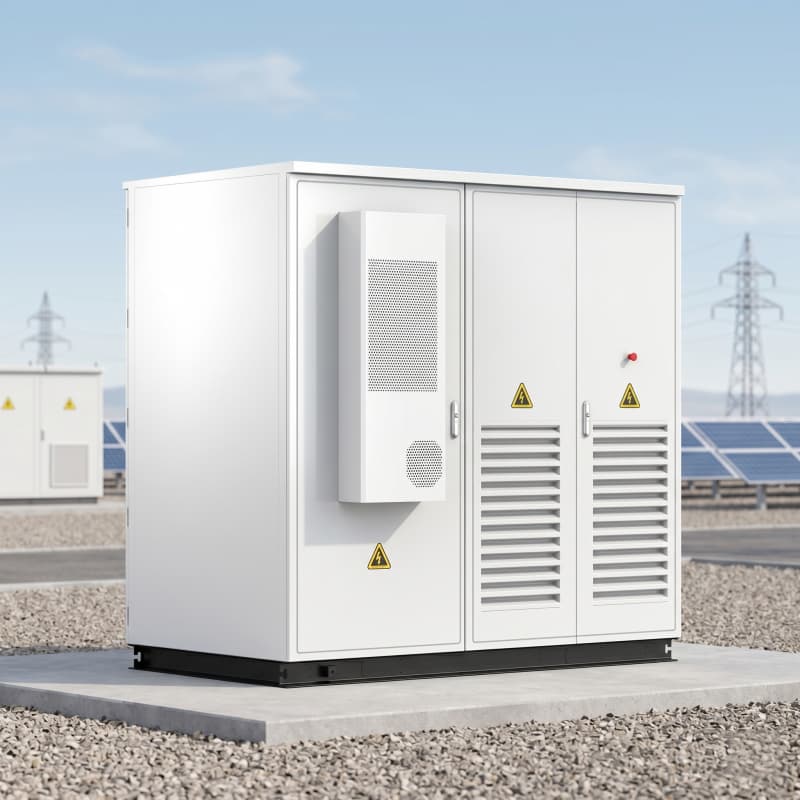
C&I Battery Storage: 55–261kWh Cabinets & 1–5MWh Containers
Explore C&I battery cabinets and containerized BESS for peak shaving, solar integration and backup power at commercial and industrial sites.
Energy Storage Products
Residential, C&I, BESS & PCS
Residential Energy Storage
16–96kWh Home Energy Storage
C&I BESS
55kWh–5MWh Scalable Energy Storage Systems
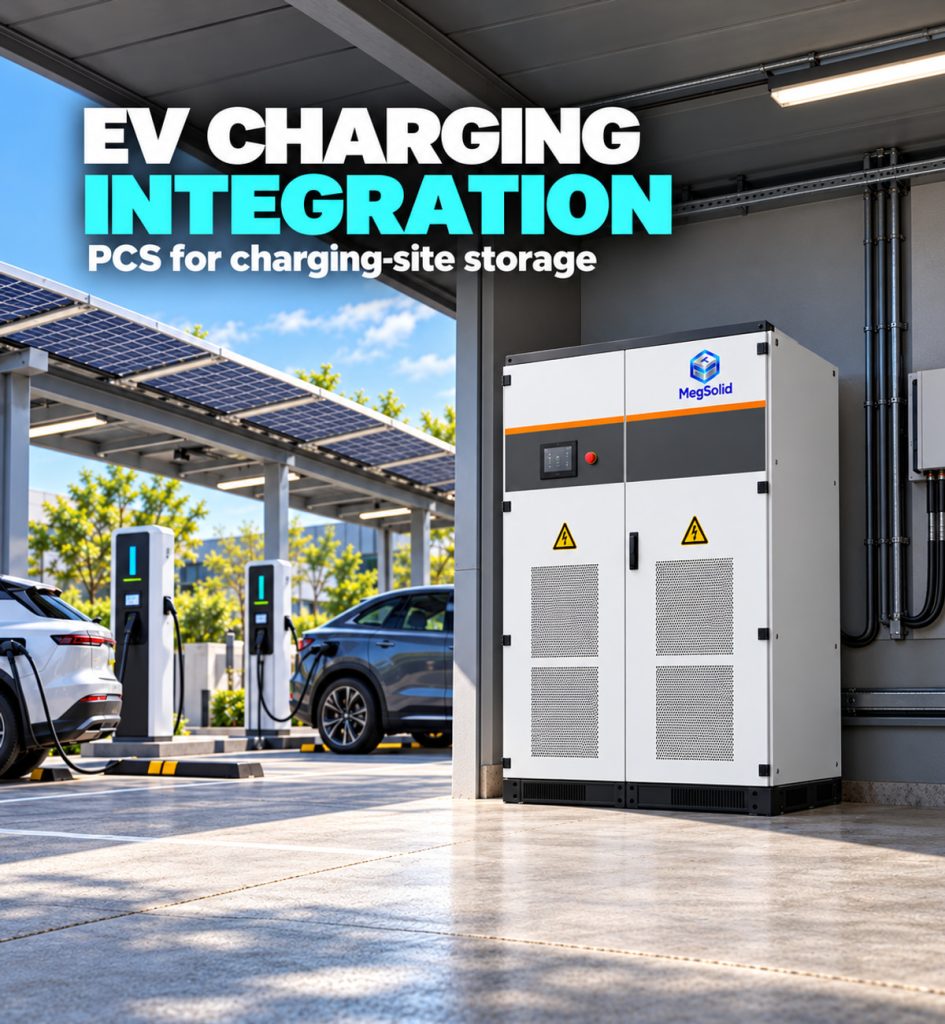
PCS & Hybrid Inverters
3–500kW Power Conversion Systems
Why Choose MegSolid for C&I Energy Storage
- Battery cabinets and containerized BESS for commercial and industrial sites
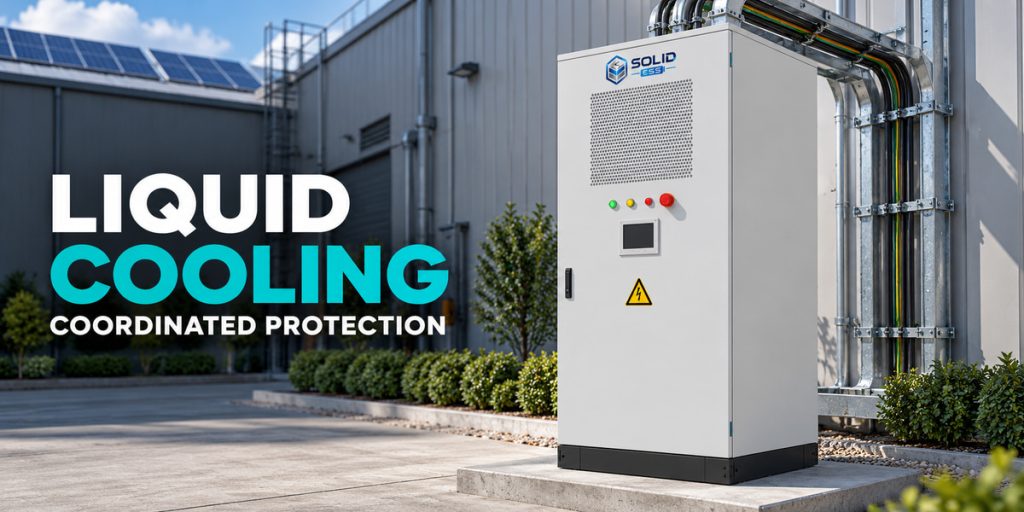
- Air-cooled and liquid-cooled models to suit your operating requirements
- Battery, PCS and EMS configuration support for your project
- Remote monitoring of battery status, energy flows and system alarms
- Model-specific datasheets and technical documents for purchase review
Discuss Your C&I BESS Project
Share your site location, application, required power and storage capacity so our team can review the system options with you.
Browse Our Energy Storage Products
Review available battery systems and power conversion equipment. Open a product page for model specifications, configuration details and technical enquiries.
Configuration
1P260S
IP Rating
IP54
Rated Energy (kWh)
261.24
IP Ratin
IP55
Altitude (m)
≤4000
Rated Energy (kWh)
5015.9
Rated Voltage (V)
400
Protection Rating
IP54
Cycle Life
≥ 5000
Rated voltage(V)
400
Voltage range(V)
320~460
THDi
<3%
Ingress protection
IP54
Operating altitude
3,000m
Noise emission (dB)
<75
Configuration
1P260S
IP Rating
IP54
Rated Energy (kWh)
261.24
Ingress protection
IP54
Operating altitude
3,000m
Noise emission (dB)
<75
IP Ratin
IP55
Altitude (m)
≤4000
Rated Energy (kWh)
5015.9
Rated Voltage (V)
400
Protection Rating
IP54
Cycle Life
≥ 5000
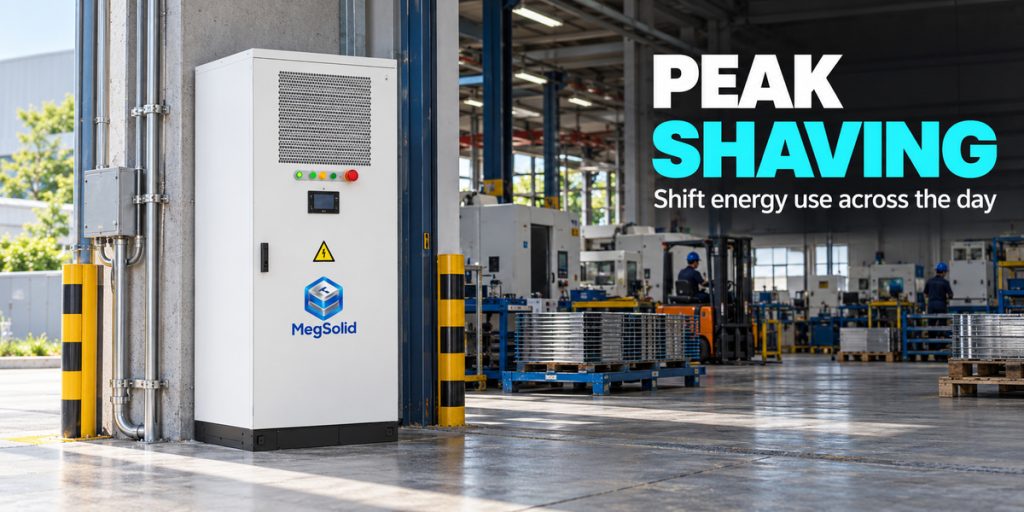
Peak-shaving explorer
See the power and energy above your chosen limit.
Choose an example, set a power limit, and see the peak power, energy and total time above it.
01 / Choose an example
Same 520 kW peak · compare energy & duration
02 / Set a power limit
Type a value or drag the green line or slider.
Lower limit
More load above the line
24-hour demand profile
Extended production
Higher limit
Less load above the line
Enter a whole number from 0 to 600 kW.
Loading sample chart…
Example demand
Power limit
B / Shaded energy (kWh)
03 / See what is above the limit
Above your 410 kW limit: 110 kW at peak, 442 kWh over 9.9 total hours.
A / Peak power above limit
110
kW
The largest power gap above your limit.
B / Energy above limit
442
kWh
The shaded area added up over the day.
C / Total time above limit
9.9
h
Hours added across all periods, not backup time.
Compare sustained production demand across the day.
Example curves, not site measurements. Changing the example keeps your power limit.
Times above the power limit
08:51–18:48
These results describe the example demand, not a recommended battery size or operating limit. Choosing a system requires your site data and a project review.
What else affects the final configuration?
Charging windows, usable battery energy, conversion losses, SOC reserves, solar generation, PCS limits and the site's connection requirements are reviewed together. This illustration does not simulate battery charging or dispatch.
Example points are joined by straight lines. Energy and time are calculated where the curve crosses the power limit. Displayed results are rounded.
Interval load data
Share timestamped readings, units, time zone and meter location. Include typical and peak-demand days.
Tariff & priorities
Share tariff periods, demand charges, operating hours and any backup requirement.
Site conditions
Review solar generation, connection limits and the space available for installation.
Start with today. Plan for what’s next.
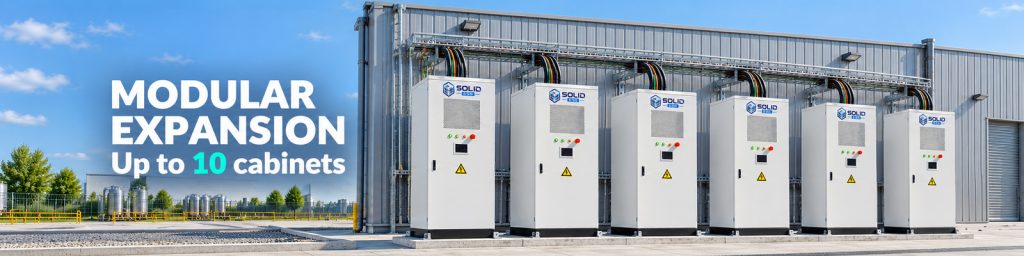
Plan for C&I Battery Storage Expansion
Plan your commercial and industrial battery energy storage system around today’s requirements and future growth. Explore the initial installation, site preparation and system checks involved in adding battery storage capacity.
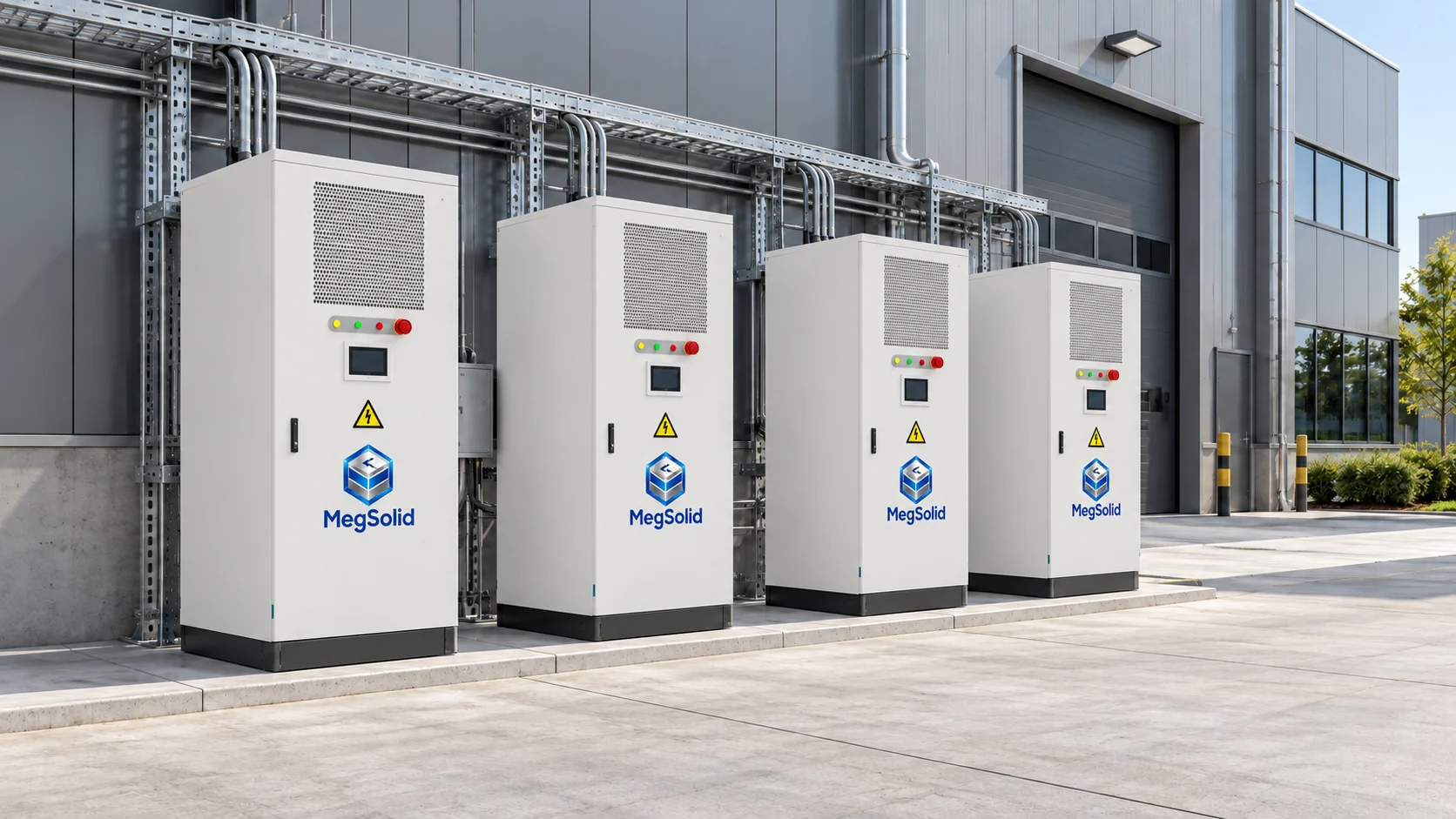
Space for a future cabinet configuration
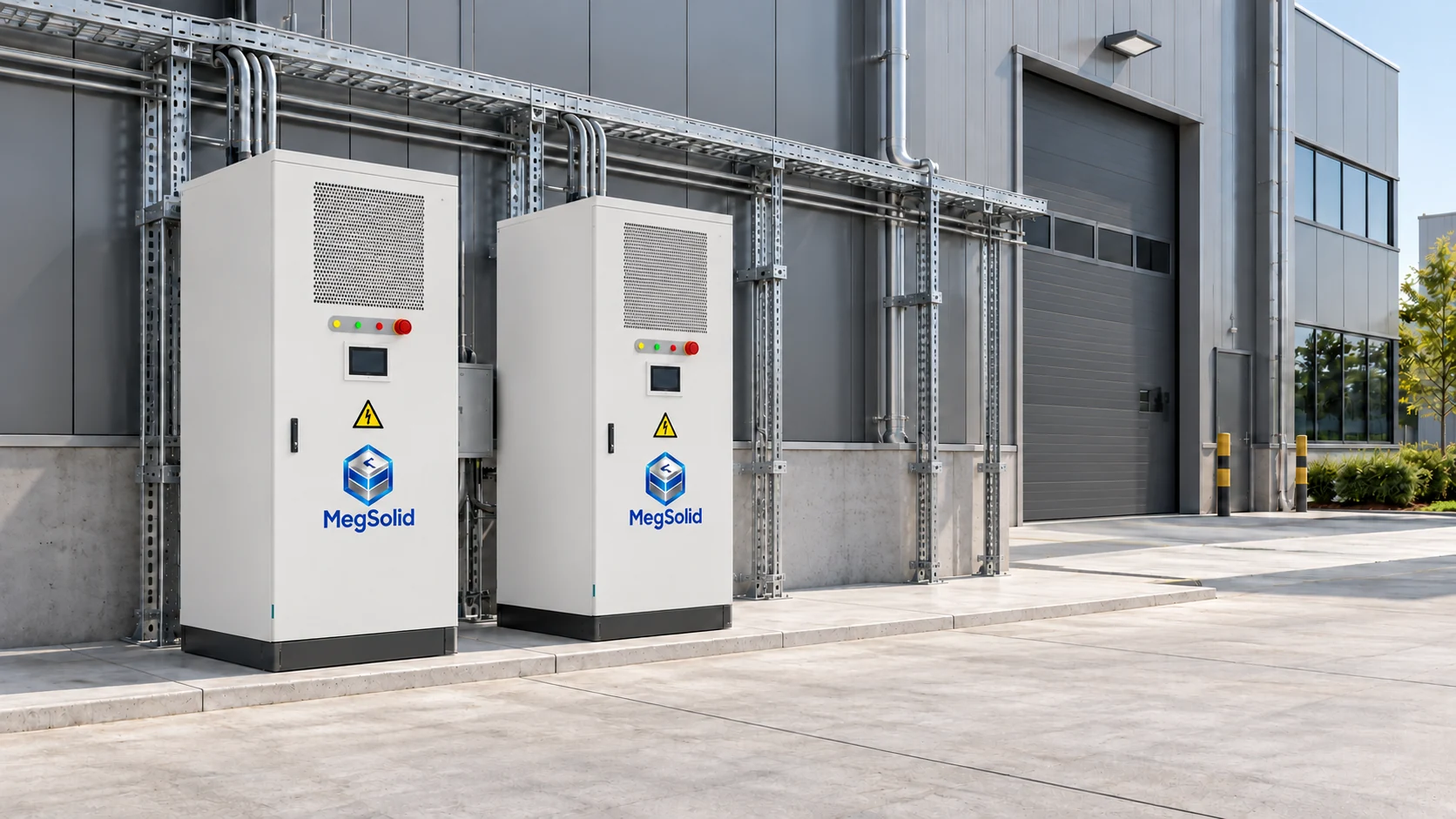
Initial battery cabinet configuration
01 / 03
Configure Your Initial Battery Storage System
Plan the first stage of your commercial and industrial battery storage system around your current load profile, required power and energy capacity. Define cabinet positions, electrical connection points and maintenance access to establish a clear starting point for future expansion.
Equipment
Initial cabinet configuration
Connections
Defined connection points
Site layout
Access and equipment positions
Prepare Your Site for Future Expansion
Consider future battery cabinet positions when planning the initial installation. Reserve maintenance access and cable routes, and review the electrical capacity available for additional equipment. Site space, connection limits and system compatibility help determine which battery storage expansion options are practical.
Space
Future cabinet positions
Access
Maintenance and cable routes
Infrastructure
Electrical provision
Review the Expanded Battery Storage System
When your requirements grow, assess additional battery cabinets alongside the existing installation. Review equipment compatibility, PCS capacity, BMS and EMS coordination, and electrical protection. Confirm the selected platform’s parallel-operation limits before finalizing the expanded BESS configuration.
Equipment fit
Compatible cabinet platform
System control
Coordinated operation
Electrical design
Protection and site connection
C&I BESS QUESTIONS
Choose the Right C&I Energy Storage System
1. Which commercial and industrial energy storage systems does MegSolid offer?
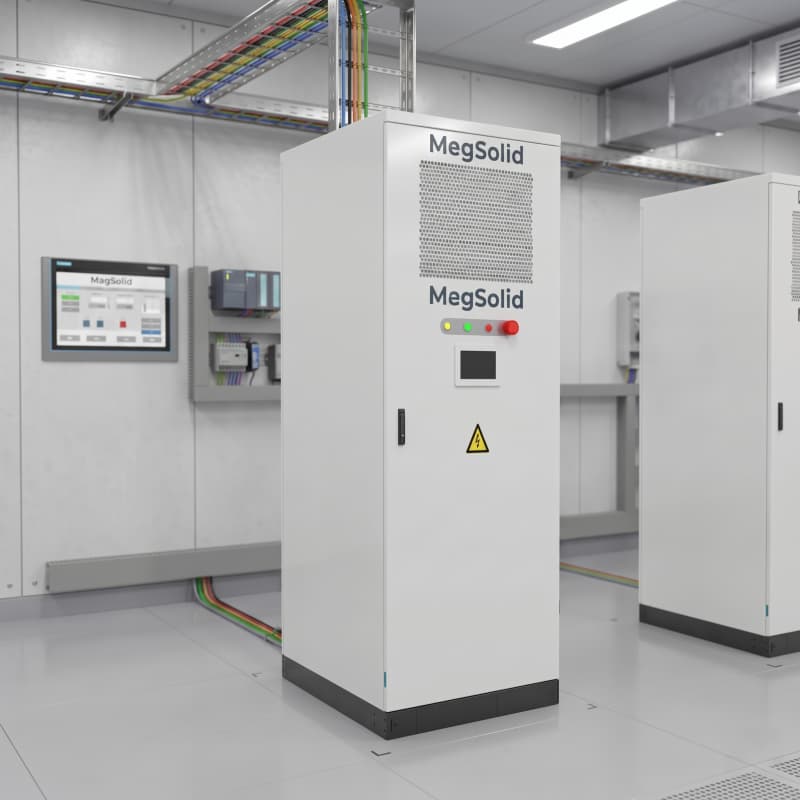
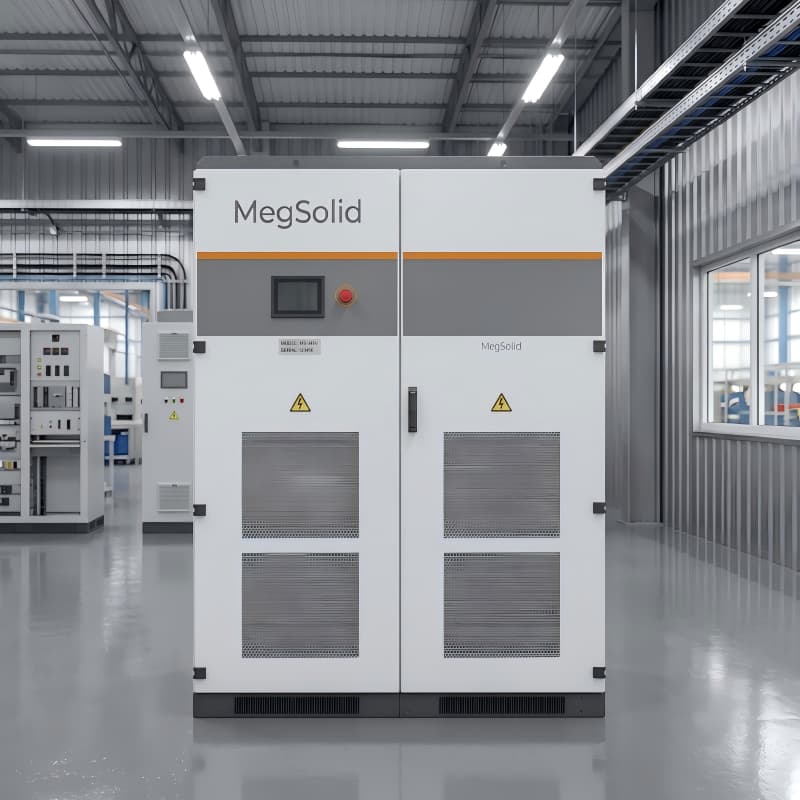
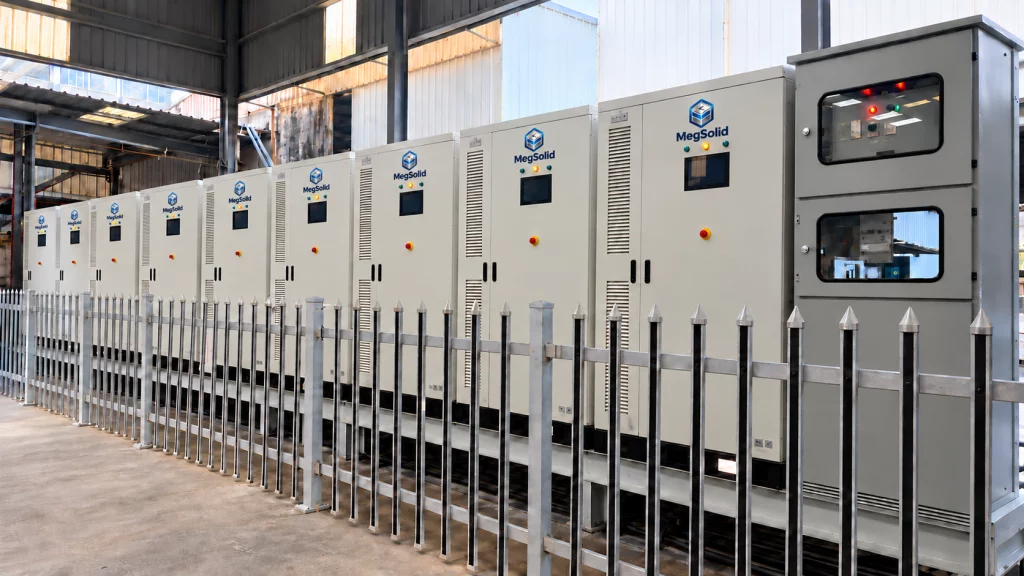
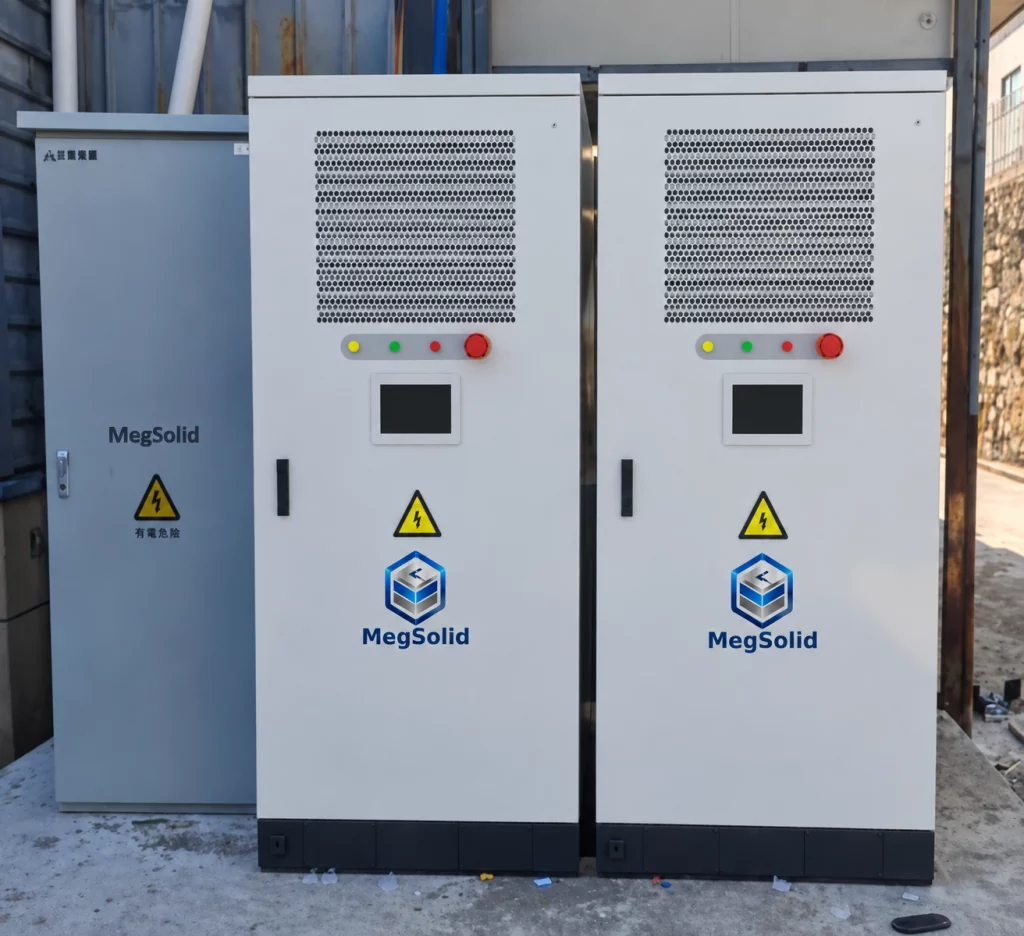
MegSolid supplies outdoor C&I battery cabinets, liquid-cooled cabinets and containerized BESS, with model selection based on your required AC power, usable energy, site voltage and installation space.
2. How do I size the power and capacity of a C&I BESS?
Use your site's load profile, electricity tariff and required discharge duration to size PCS power and battery capacity separately, checking kW, kVA, usable AC energy and charging time with our C&I BESS design guide.
3. Should I choose air-cooled or liquid-cooled battery storage?
MegSolid's 215.04 kWh cabinet is air-cooled and its 261.24 kWh cabinet is liquid-cooled, so compare their temperature limits, operating duty and maintenance requirements against your site conditions before choosing.
4. What is the difference between a battery cabinet and a containerized BESS?
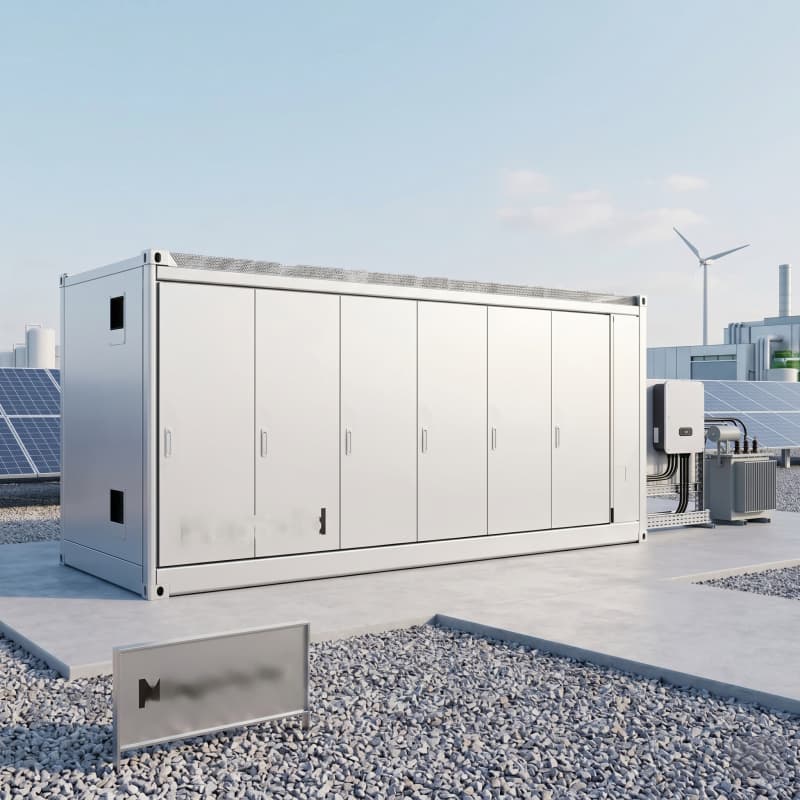
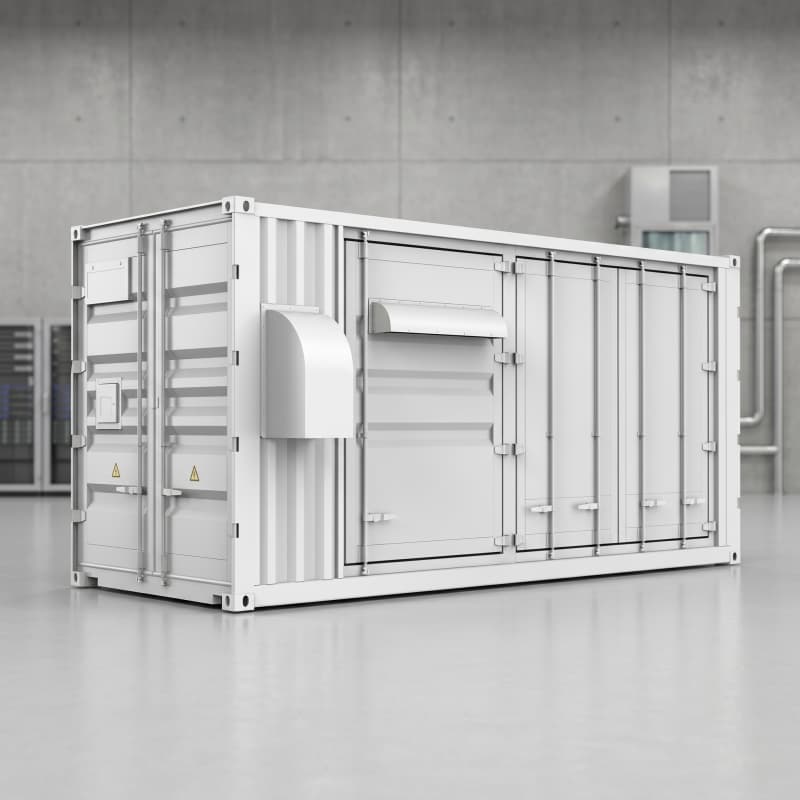
Battery cabinets allow layouts built around individual units, while MegSolid's containerized battery energy storage systems provide 500 kW/1.0752 MWh and 1 MW/2.1504 MWh configurations, with selection also depending on available space, transport access, foundations and electrical connections.
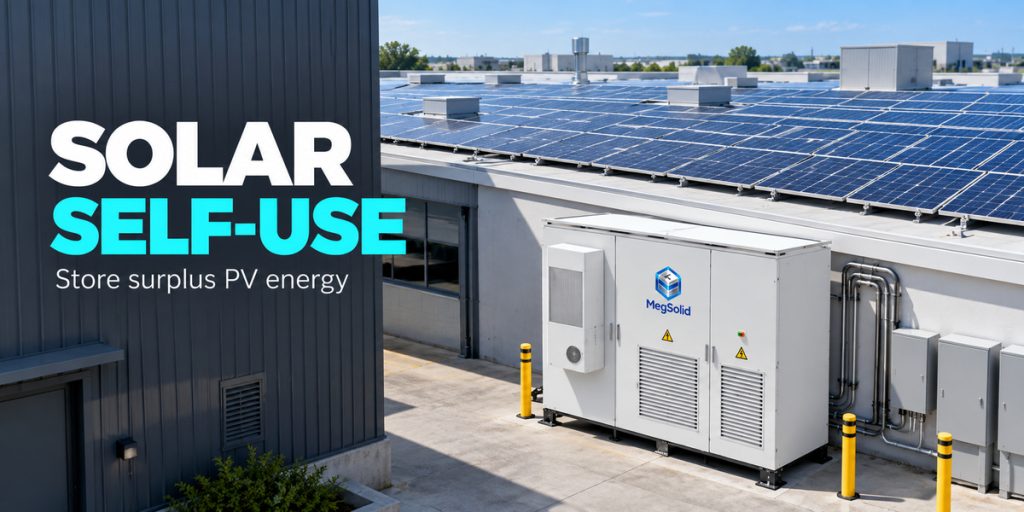
5. Can a C&I BESS work with solar panels and provide backup power?
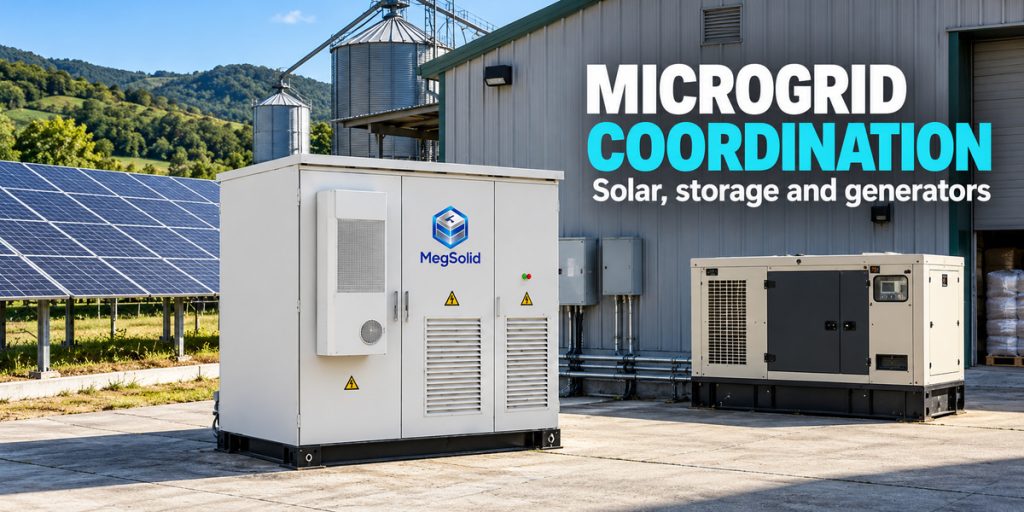
Selected configurations can store solar energy and supply critical loads during outages, with backup operation requiring a suitable PCS, grid-isolation and switching equipment, protection settings and a control sequence designed for the loads being supported.
6. Can the system integrate with my existing PCS, EMS or SCADA?
Integration requires a model-specific review of battery voltage, communication protocols, firmware, control functions and protection interfaces, including how the proposed energy storage PCS will exchange commands and operating limits with your existing equipment.
7. Which certifications and technical documents should I request?
Request the datasheet, applicable certificates and test reports for the exact model and configuration, together with installation requirements, warranty terms and an agreed BESS factory acceptance testing scope that reflects your project and destination market.
8. What information is needed for a C&I BESS quotation?
Send your project country, application, AC voltage, load profile, target power, required discharge duration and existing solar or generator details to request a C&I BESS quotation, including any delivery requirements or technical specifications already available.
FROM SELECTION TO DELIVERY
Plan Your C&I BESS Project
01 / DEFINE
Share Your Site Requirements
Project location, load profile, electricity tariff, AC voltage and operating objectives.
02 / CONFIGURE
Confirm the System Configuration
Battery capacity, PCS rating, cooling method, EMS functions and site interfaces.
03 / VERIFY
Agree on Testing and Documents
Model-specific documents, FAT/SAT criteria, protection checks and handover requirements.
04 / DELIVER
Confirm Delivery and Support
Equipment scope, delivery terms, commissioning responsibilities and warranty conditions.
Six Advantages of MegSolid Solid-State Battery Energy Storage Systems
Certifications & Global Standards


Energy Storage Projects and Application Experience
Review project examples by application, system configuration and supply scope. Use comparable requirements to begin the discussion for your own site.
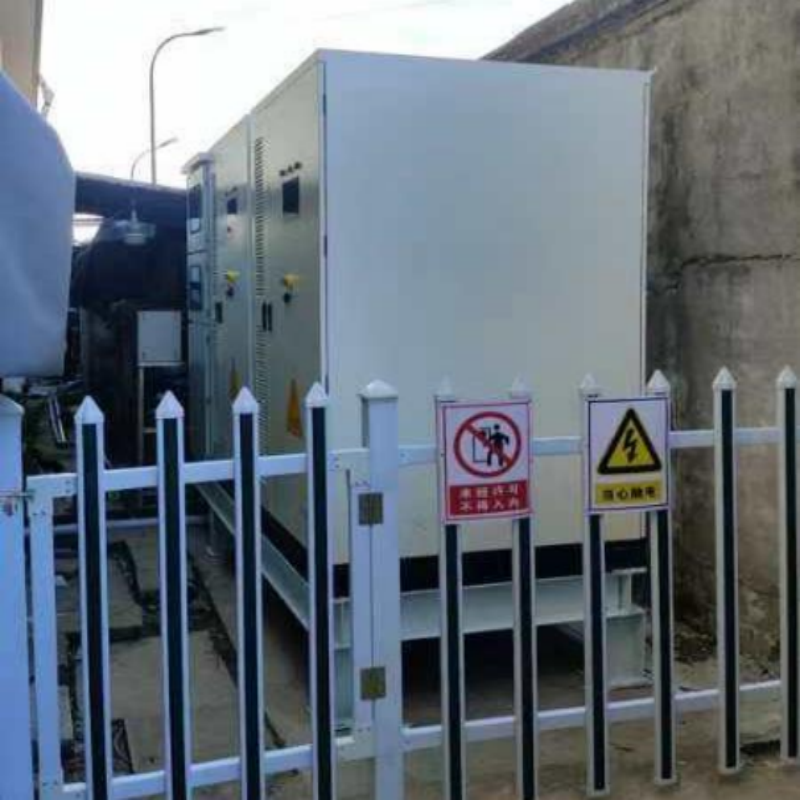
Bearing Factory Battery Storage Project
Renhe Machinery Bearings. Location: Shaoxing. Configuration: 900 kW / 1,940 kWh. Objective: Peak-load shifting and emergency backup.
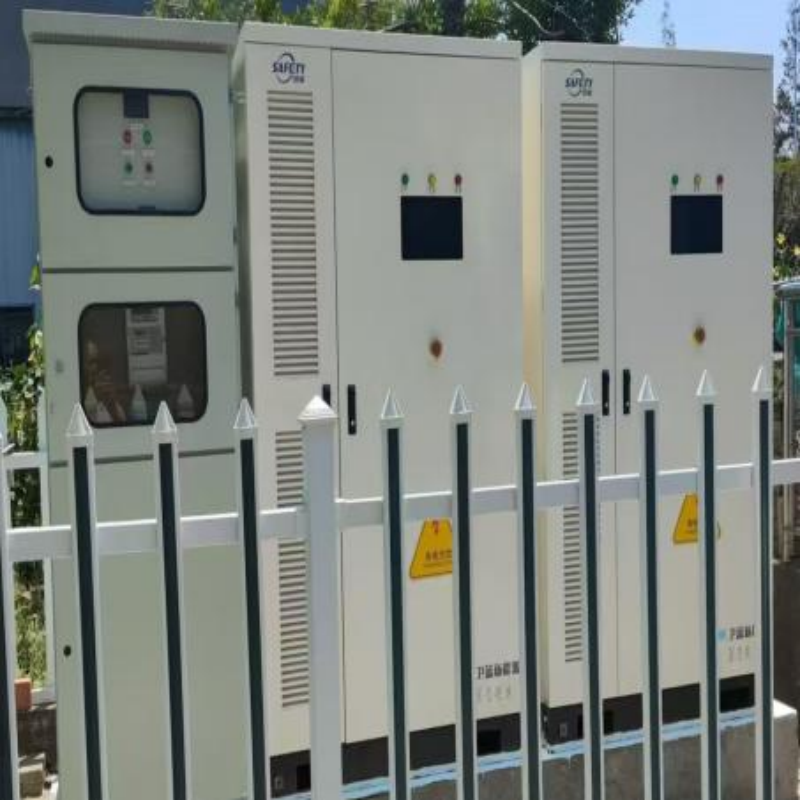
Electrical Factory Battery Storage Project
Yongyao Electric. Location: Xuancheng. Configuration: 200 kW / 450 kWh. Objective: Reduce peak electricity costs and support stable production power.
Electroplating Battery Storage Project
Northgate Electroplating. Location: Ningbo. Configuration: 200 kW / 430 kWh. Objective: Reduce peak electricity costs and stabilize voltage during equipment startup.
Electroplating Factory Battery Storage Project
Beilun Electroplating. Location: Ningbo. Configuration: 500 kW / 1,140 kWh. Objective: Manage sudden production loads, lower peak electricity costs and reduce downtime caused by grid fluctuations.
Factory-Side Battery Storage Project
Newroute Intelligence. Location: Ningbo. Configuration: 200 kW / 430 kWh. Factory-side energy storage using parallel cabinet units.
Grid-Side Battery Storage Project
Longquan Phase I. Location: Longquan, Lishui, Zhejiang. Configuration: 100 MW / 200 MWh. Objective: Frequency regulation, peak shaving and renewable-energy integration.