01
EQUIPMENT
Match the Battery
& Inverter
Select the battery and inverter together. Review battery voltage, supported communication and operating modes to establish a suitable equipment combination.
 Skip to content
MegSolid manufactures ultra-safe 48V (51.2V) solid-state home backup batteries and modular residential battery energy storage systems (16kWh class, up to six in parallel). Engineered with cell-level BMS protection and 8,000+ cycle life for solar self-consumption and whole-home outage backup.
Residential, C&I, BESS & PCS
16–96kWh Home Energy Storage
55kWh–5MWh Scalable Energy Storage Systems
3–500kW Power Conversion Systems
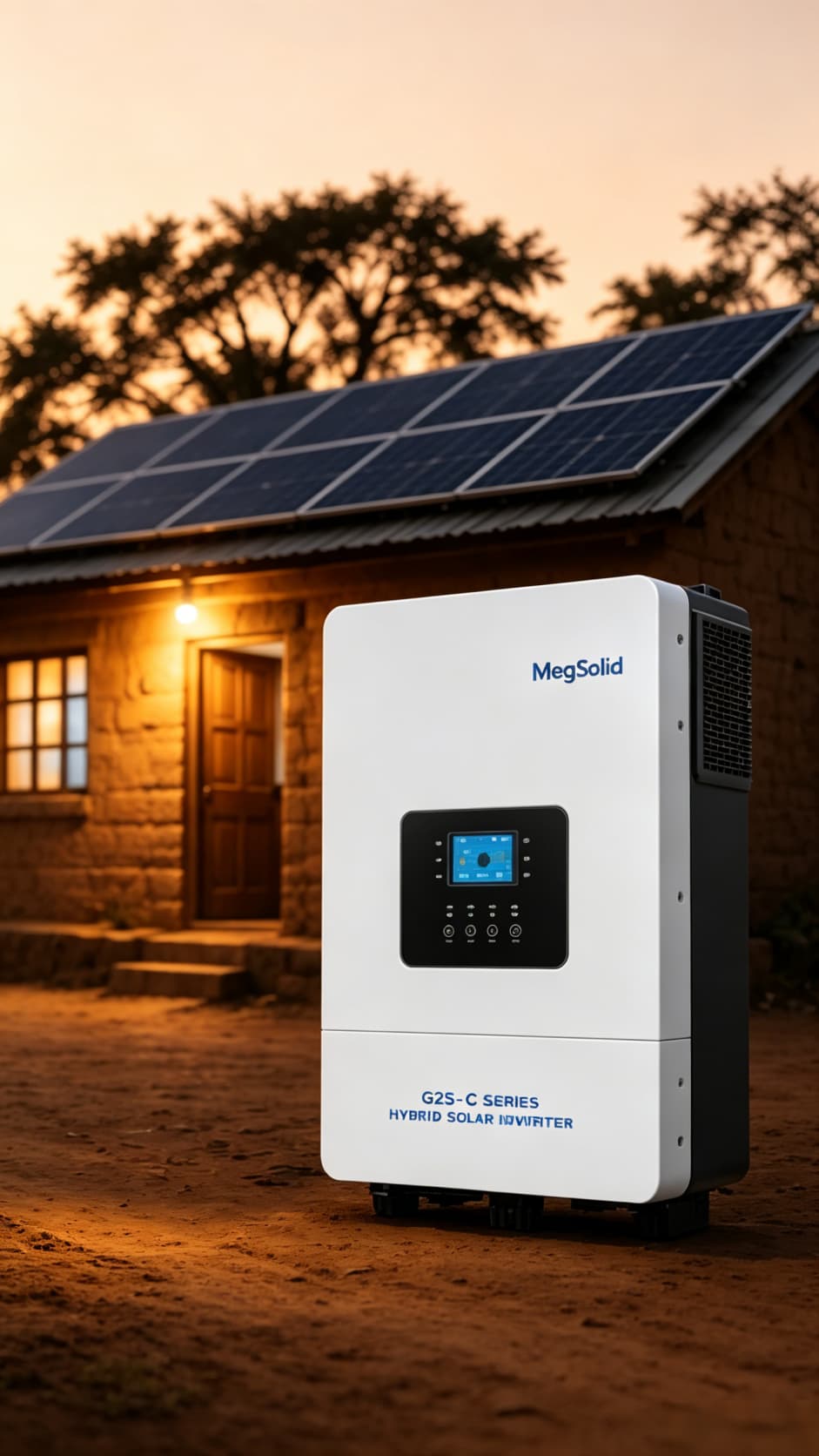
Store surplus solar generation for use in the evening or when household demand exceeds solar output. Select usable battery capacity around your daily consumption and the amount of solar energy available to store.
Plan backup power for lighting, refrigeration, communications and other priority loads. Pair the battery with a compatible inverter and properly configured backup circuits, with output power and backup duration matched to your requirements.
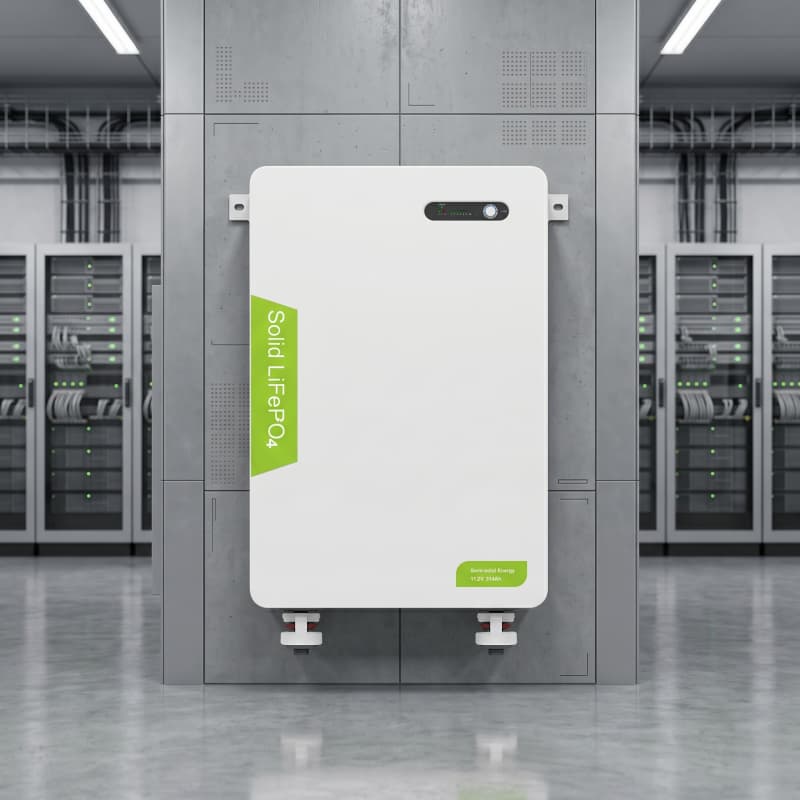
Explore residential batteries in the 16 kWh class, including hybrid solid-state battery options. Compare installation formats and model-specific expansion capabilities as you plan for your current energy needs and future changes.
Review inverter compatibility, battery communication and installation requirements for your selected model. Request the matching datasheet and available safety reports to assess the battery as part of your complete home energy system.
Review available battery systems and power conversion equipment. Open a product page for model specifications, configuration details and technical enquiries.
Water Dust Resistance
IP21/IP65
Nominal Energy
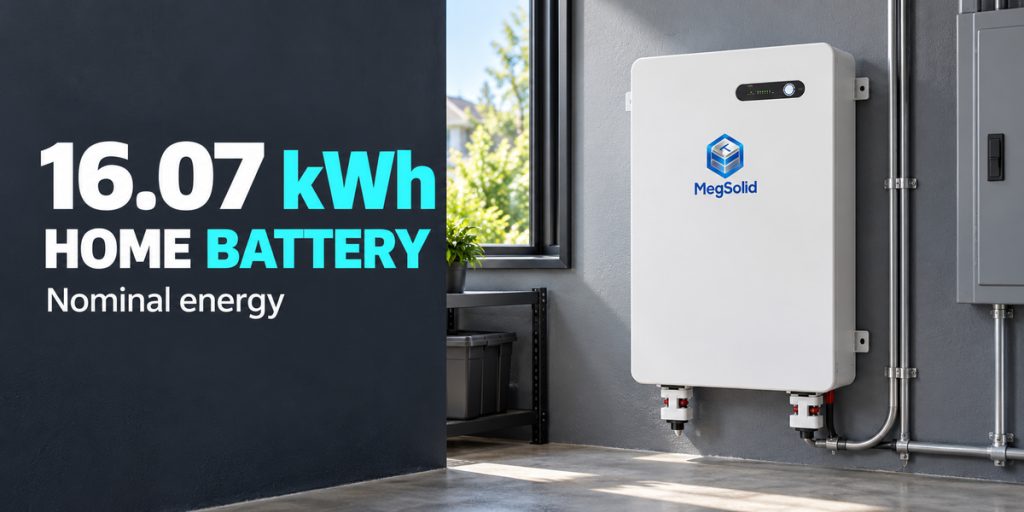
16.07KWh
Charging Voltage
57.6V
IP Rating
IP21
Weight
135KGS
Storage Capacity
16076Wh
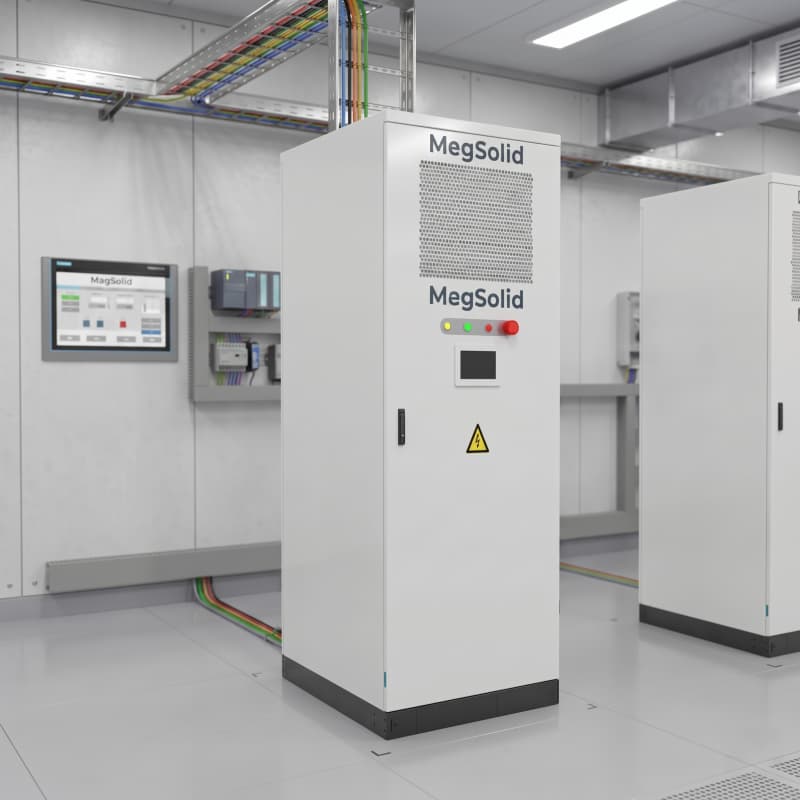
Configuration
1P260S
IP Rating
IP54
Rated Energy (kWh)
261.24
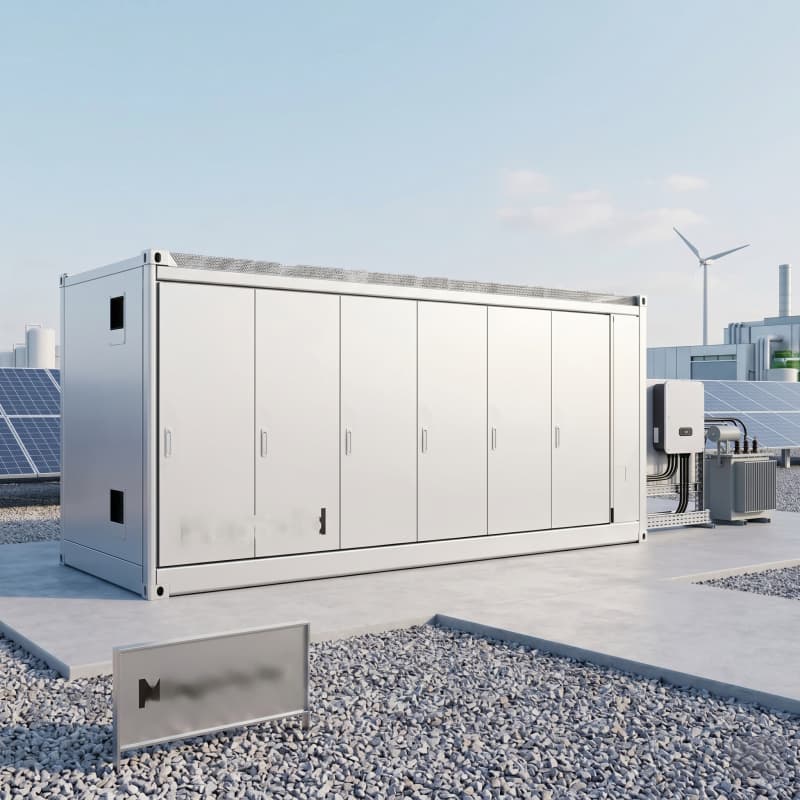
IP Ratin
IP55
Altitude (m)
≤4000
Rated Energy (kWh)
5015.9
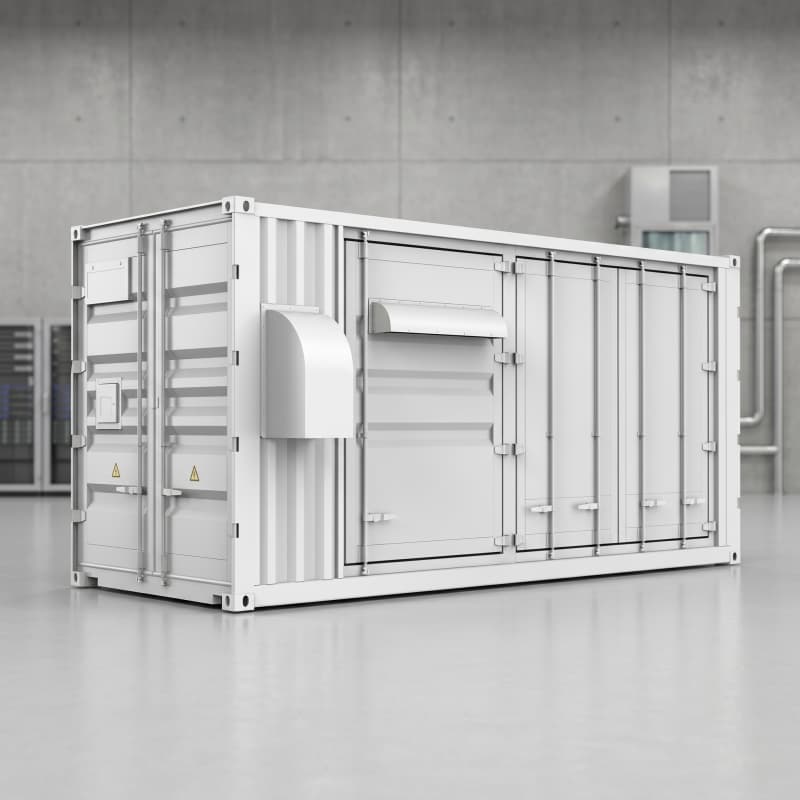
Rated Voltage (V)
400
Protection Rating
IP54
Cycle Life
≥ 5000
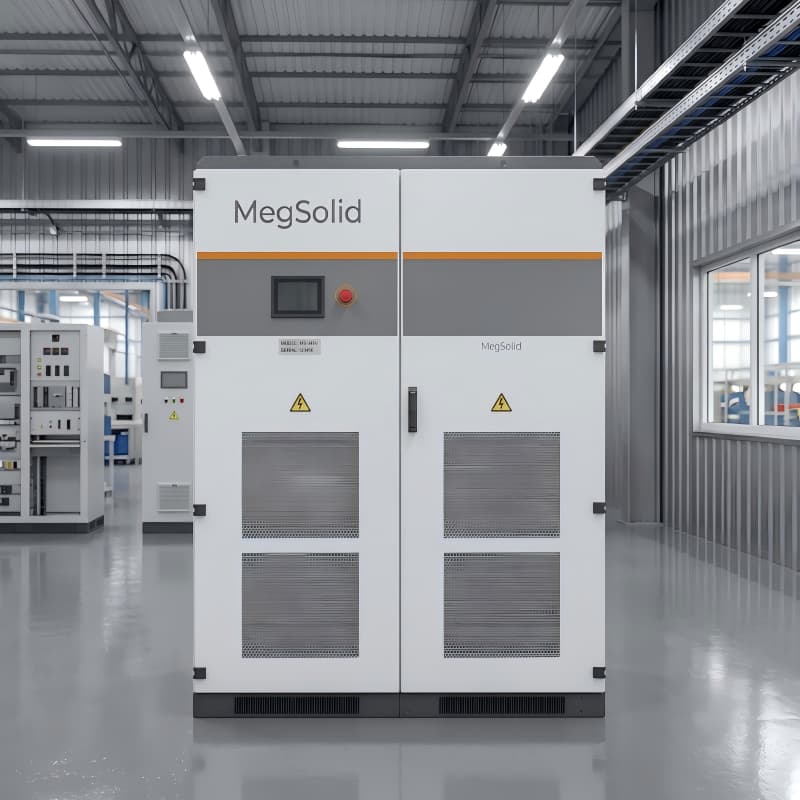
Rated voltage(V)
400
Voltage range(V)
320~460
THDi
<3%
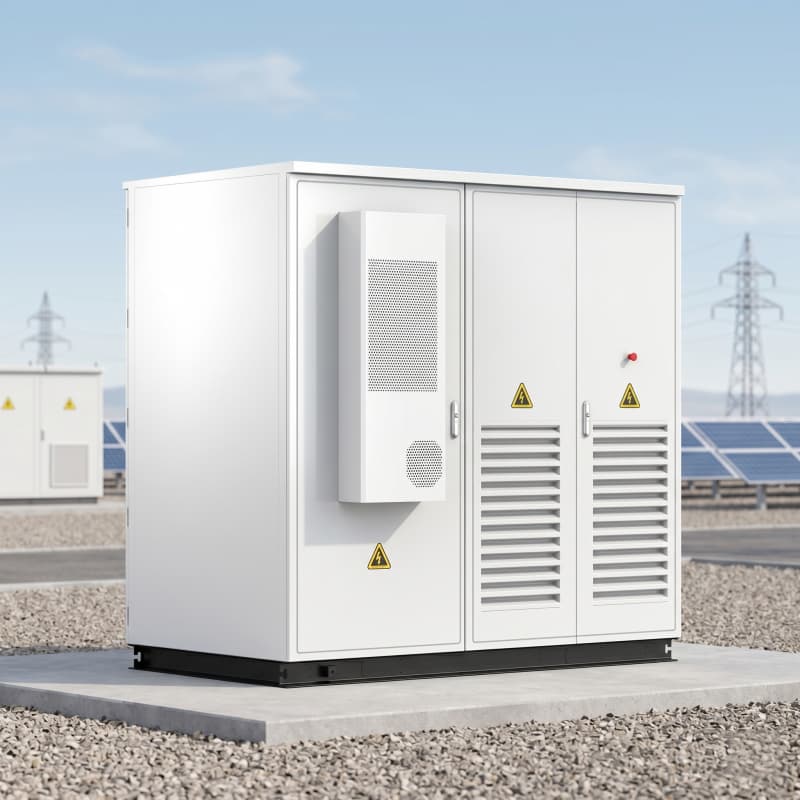
Ingress protection
IP54
Operating altitude
3,000m
Noise emission (dB)
<75
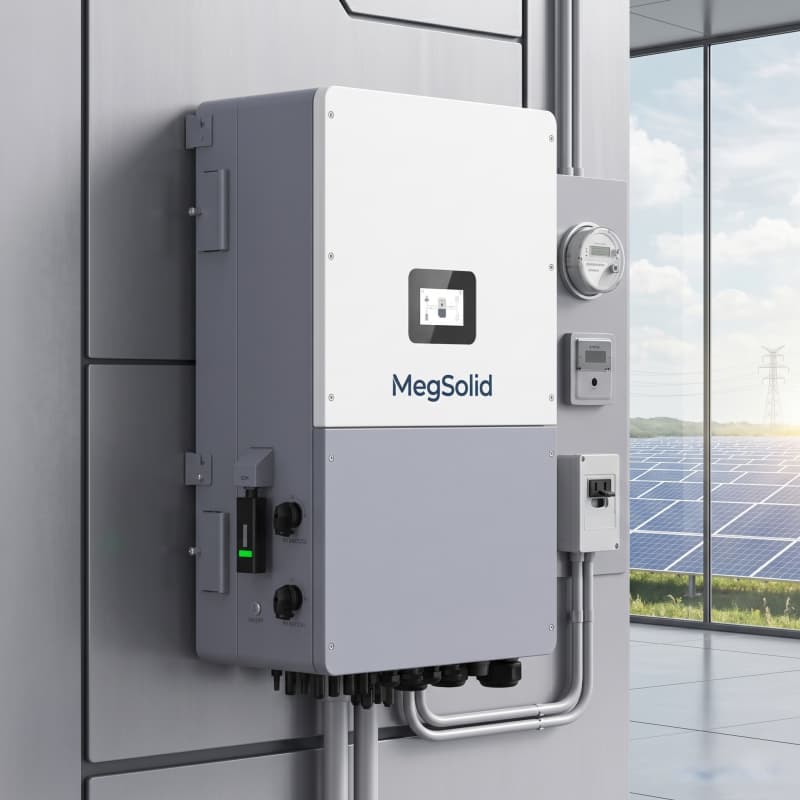
Ingress protection
IP65
Weight (kg)
73kg
Meter
RS485
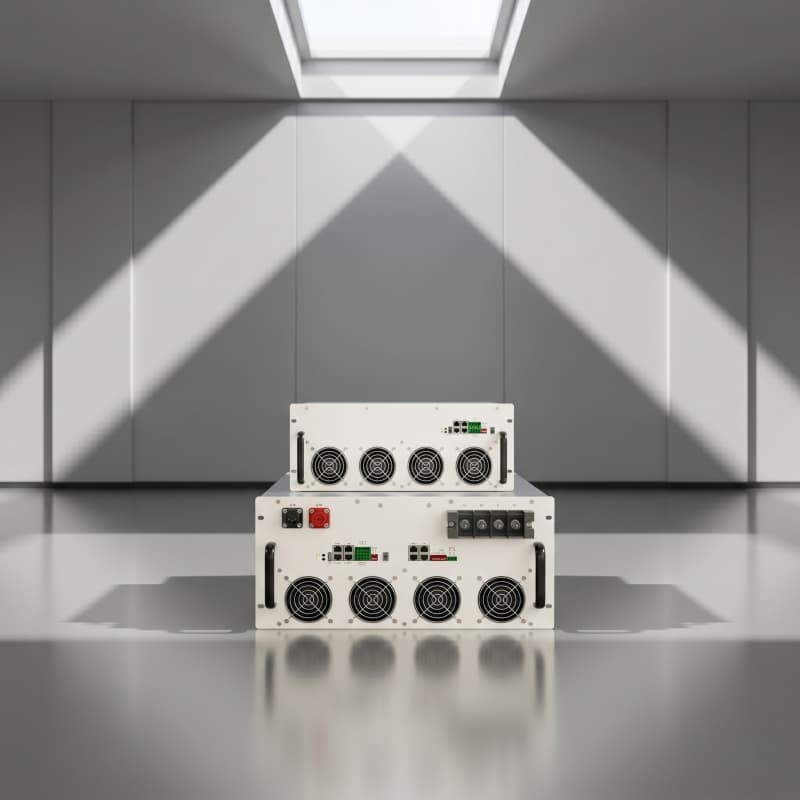
Rated voltage (V)
400
Max.efficiency
98.7%
Voltage accuracy
±1%
Rated voltage(V)
400
Voltage range(V)
320~460
THDi
<3%
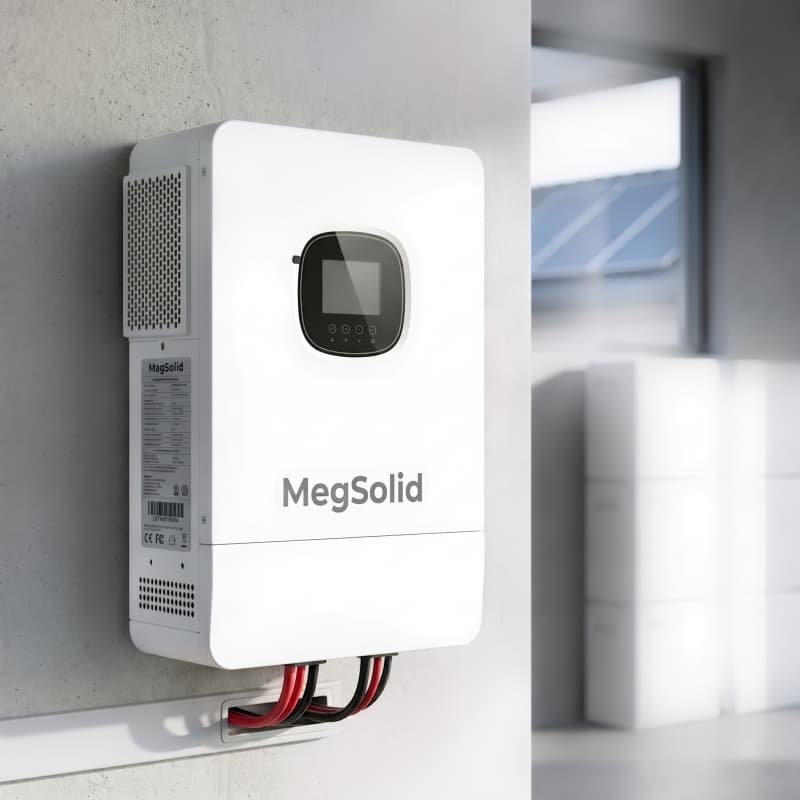
Ingress protection
IP65
Display
LCD
THDi
<3%
Capacity
1kWh
Cycles
8000
Warranty
5Y
Water Dust Resistance
IP21/IP65
Nominal Energy
16.07KWh
Charging Voltage
57.6V
IP Rating
IP21
Weight
135KGS
Storage Capacity
16076Wh
Ingress protection
IP65
Weight (kg)
73kg
Meter
RS485
Rated voltage (V)
400
Max.efficiency
98.7%
Voltage accuracy
±1%
Configuration
1P260S
IP Rating
IP54
Rated Energy (kWh)
261.24
IP Ratin
IP55
Altitude (m)
≤4000
Rated Energy (kWh)
5015.9
Rated Voltage (V)
400
Protection Rating
IP54
Cycle Life
≥ 5000
Rated voltage(V)
400
Voltage range(V)
320~460
THDi
<3%
Choose the essentials, adjust their average power use and set your target backup duration. Build a useful starting point for your home battery enquiry.
1 / Choose your essential loads
Example values below are editable planning assumptions.
Appliance / load
Qty
Avg W / unit
Use measured energy over a representative period. For example, 1.2 kWh over 24 hours corresponds to an average of 50 W. Cycling appliances such as refrigerators may have a much higher running or starting power. Enter the average over your planned backup period and review starting loads separately.
YOUR STARTING POINT
Estimated load energy
1.24
kWh
155 W average × 8 hours
Average load
155 W
Target duration
8 hours
Selected essentials
Lighting ×4 · Refrigerator ×1 · Internet router ×1
Opens our enquiry form. Your plan is not transferred automatically.
This is a load-energy estimate. Battery capacity, inverter output and appliance starting power require a separate system review.
Plan essential circuits first. Actual consumption varies with appliance use and operating conditions.
SYSTEM COMPATIBILITY
EQUIPMENT
Select the battery and inverter together. Review battery voltage, supported communication and operating modes to establish a suitable equipment combination.
CONNECTION
Define which household circuits need backup. Review the inverter’s backup output, switching arrangement and required protection as part of the system design.
INSTALLATION
Plan the battery location, mounting arrangement and cable routes. Check access, ventilation and service clearances against the selected equipment’s installation requirements.
EXISTING EQUIPMENT
Share the brand and model of your current solar inverter. A clear nameplate photo and a simple system diagram help our team begin the compatibility review.
UPGRADE ROUTE
Check whether your existing inverter supports the selected battery, or whether additional equipment or an inverter change is needed. Review communication and backup requirements together.
SITE READINESS
Review the distribution board, proposed battery location and cable routes. Identify the space and installation changes needed for the proposed storage configuration.
Have an existing system? Share your inverter model or nameplate photo to start the review.
PROCUREMENT QUESTIONS
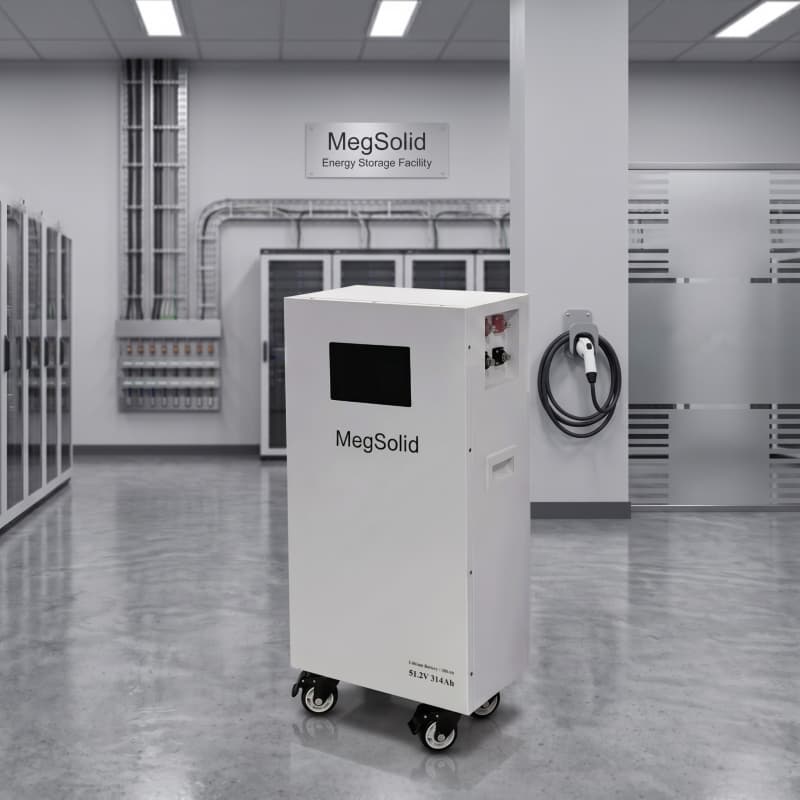
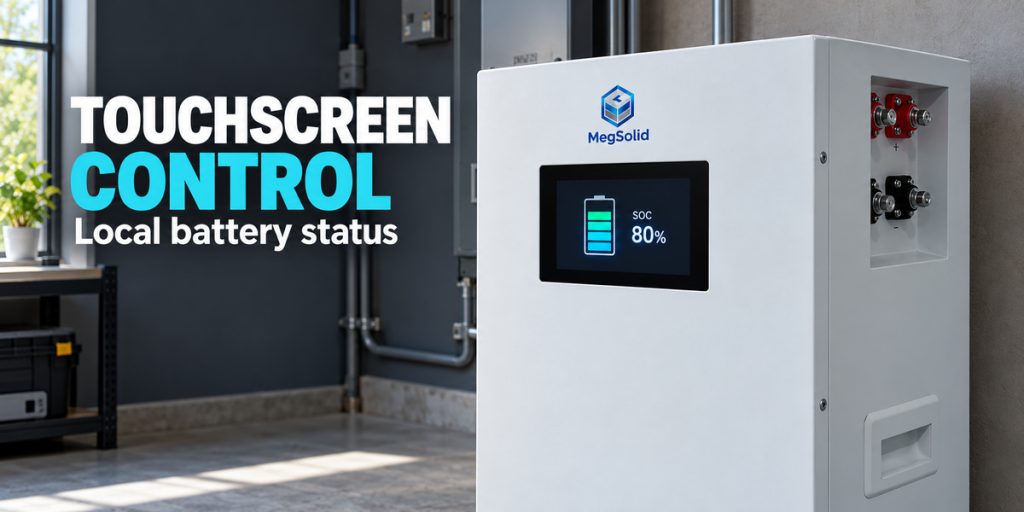
MegSolid MEGA Series home energy storage uses DC batteries such as the 51.2V 314Ah hybrid solid-state home battery rated at 16.07kWh, with the inverter, protection and any required backup switching equipment selected separately and the equipment and installation services included in your order listed in the quotation.
Size your home battery around your evening electricity use, solar generation and essential appliances, using kWh to plan stored energy and inverter power in kW to check which appliances can run together, with usable capacity, reserve settings and system losses included in any backup runtime estimate.
Many existing solar systems can accept battery storage through a supported battery connection or a suitable AC-coupled design, but the inverter model, wiring, communication and protection need checking first, including the extra equipment required if you want power during an outage.
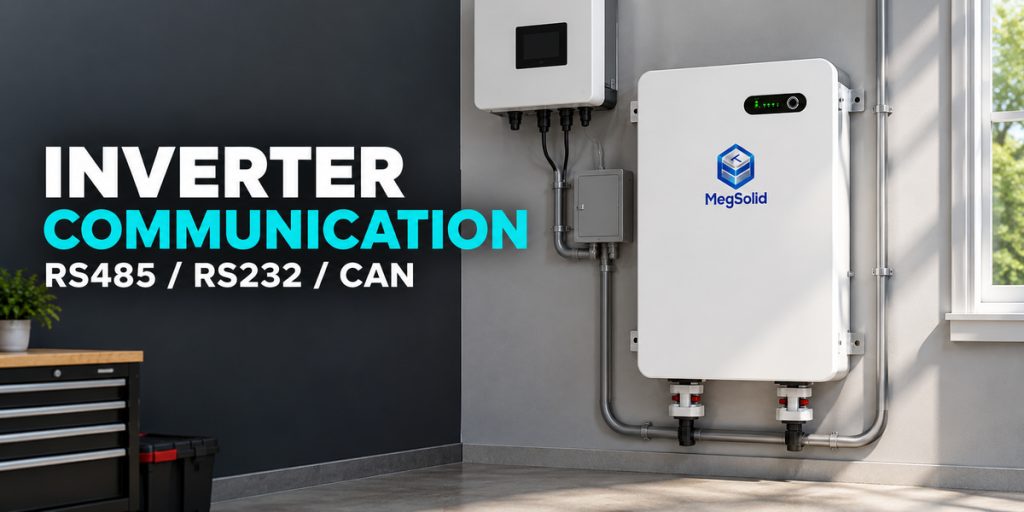
Choose from our energy storage and hybrid inverters after checking the exact battery and inverter models, firmware, voltage range, current limits and communication protocol, because matching voltage or having CAN and RS485 ports alone does not confirm compatibility.
Your home battery can supply selected circuits during an outage when connected to an inverter that supports backup and the required protection and switching equipment, with supported appliances determined by inverter power and starting loads, and runtime determined by usable battery energy, reserve settings and electricity consumption.
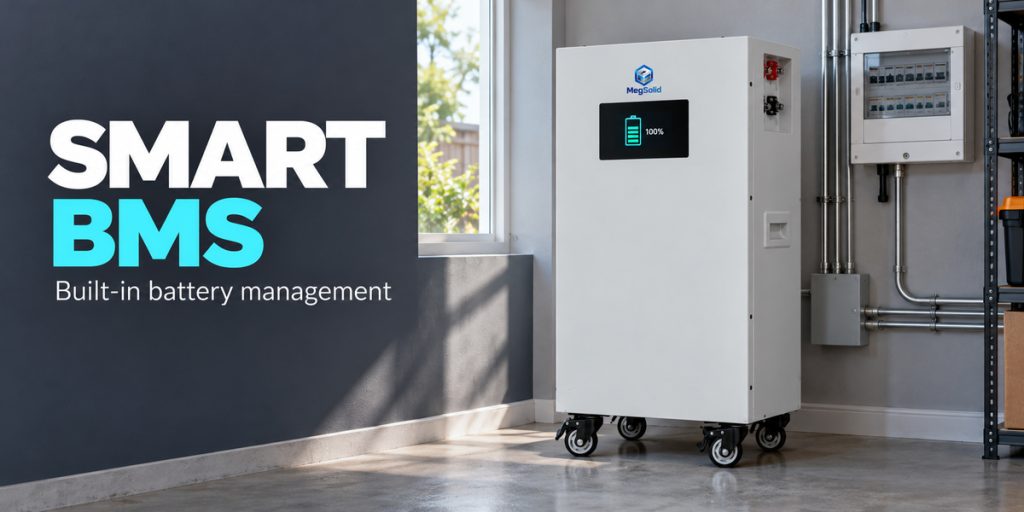
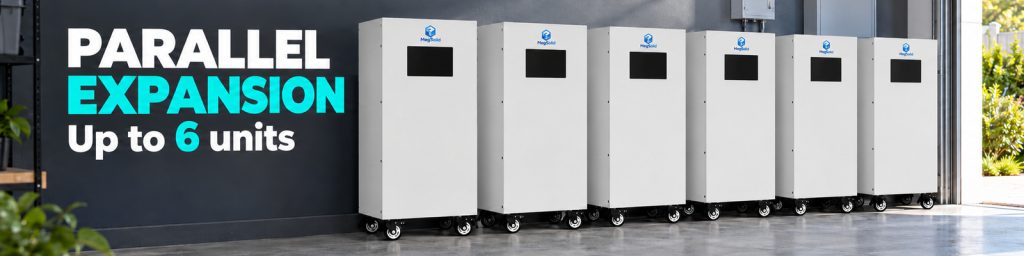
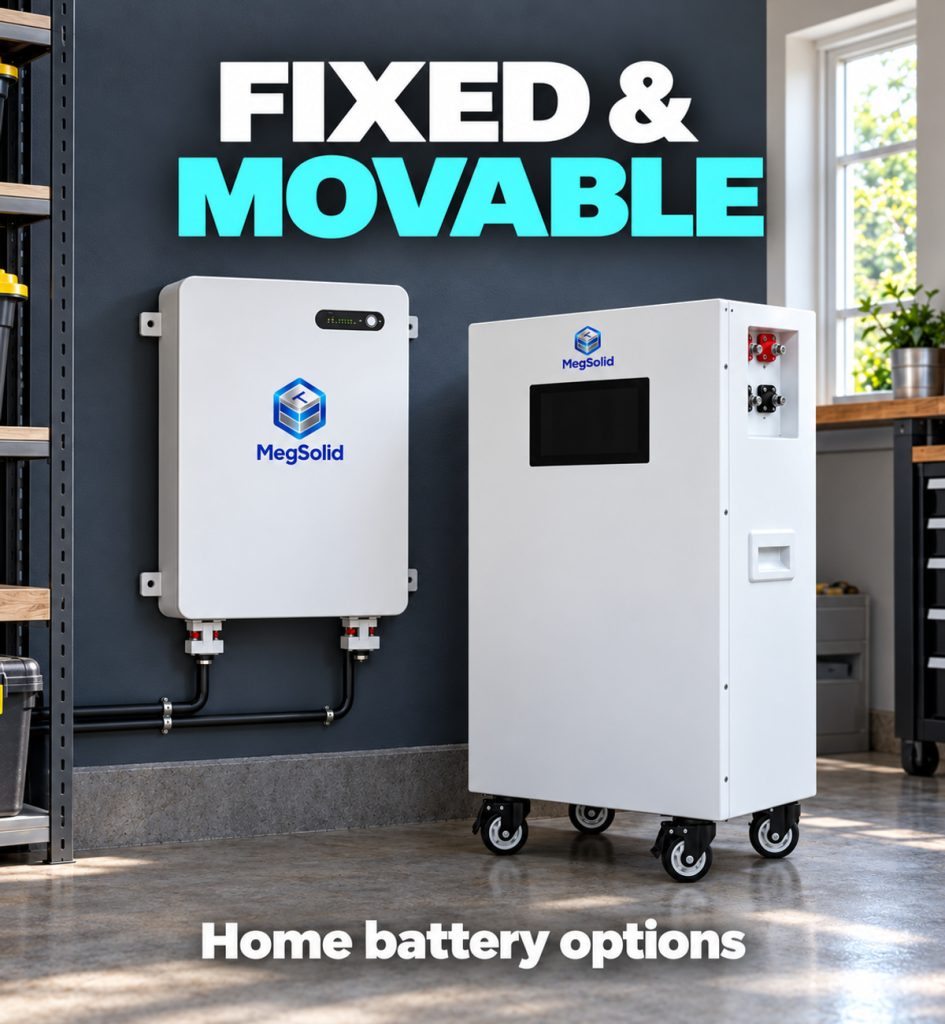
The 16.076kWh floor-standing home battery with casters supports up to six units in a suitable parallel setup for 96.456kWh of total rated battery energy, subject to checks on the inverter, wiring, protection, firmware and battery combinations, while usable AC energy and expansion options for other models require separate confirmation.
Choose a location that meets the selected battery’s temperature, moisture, ventilation, clearance and structural requirements, bearing in mind that the floor-standing model with casters is rated IP21 and needs protection from outdoor exposure, with the mounting arrangement and local installation requirements checked by your installer.
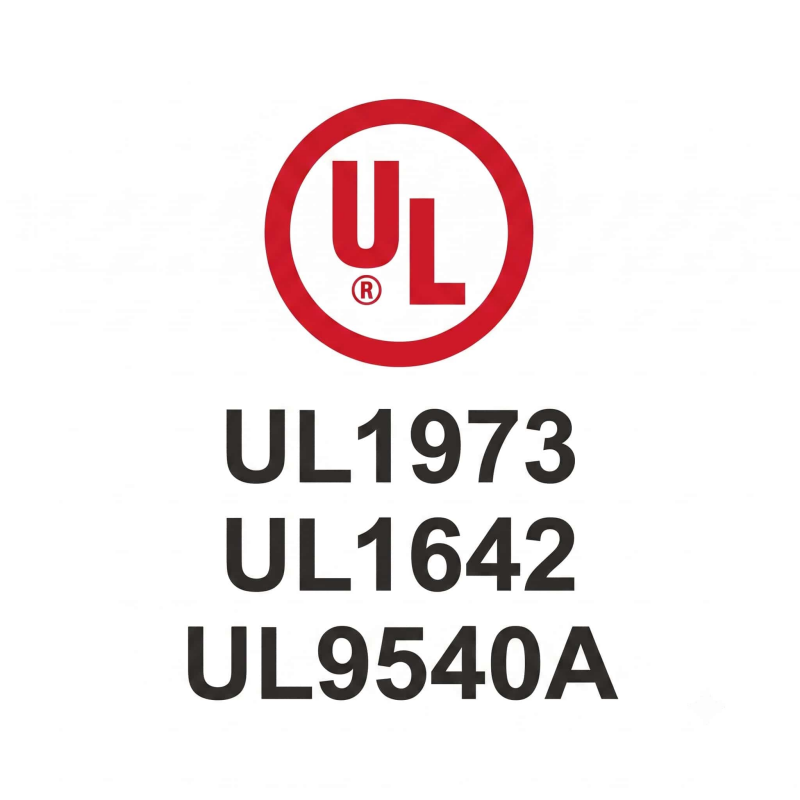
Share your destination country, preferred model and quantity, or your solar equipment and backup needs if you are still choosing, to request home battery datasheets and a quotation, together with installation instructions, compatibility confirmation, applicable certification documents, written warranty terms and a clear statement of whether the inverter, accessories, delivery, installation and commissioning are included.
A solid state home backup battery immobilizes liquid electrolyte inside a solid polymer-ceramic matrix, preventing thermal runaway gas production and fire propagation in residential garages or utility rooms. Read our engineering breakdown on how solid-state technology eliminates thermal runaway.
Every MegSolid lithium ion battery 48 V pack includes dual CAN/RS485 ports pre-configured for our G2S hybrid home energy storage inverters as well as主流 third-party 48V hybrid inverters. We provide dedicated household energy storage system technical support and remote BMS diagnostics for distributors and installers.
FROM SELECTION TO DELIVERY
01 / DEFINE
Tell us your location, electricity use, existing solar equipment and the appliances you want to support during an outage.
02 / SELECT
Match battery capacity and inverter power to your solar use, household loads and backup priorities.
03 / REVIEW
Confirm the installation location, equipment compatibility, model documents and written warranty terms.
04 / CONFIRM
Review the equipment included, delivery arrangements and installation responsibilities before ordering.


Review project examples by application, system configuration and supply scope. Use comparable requirements to begin the discussion for your own site.
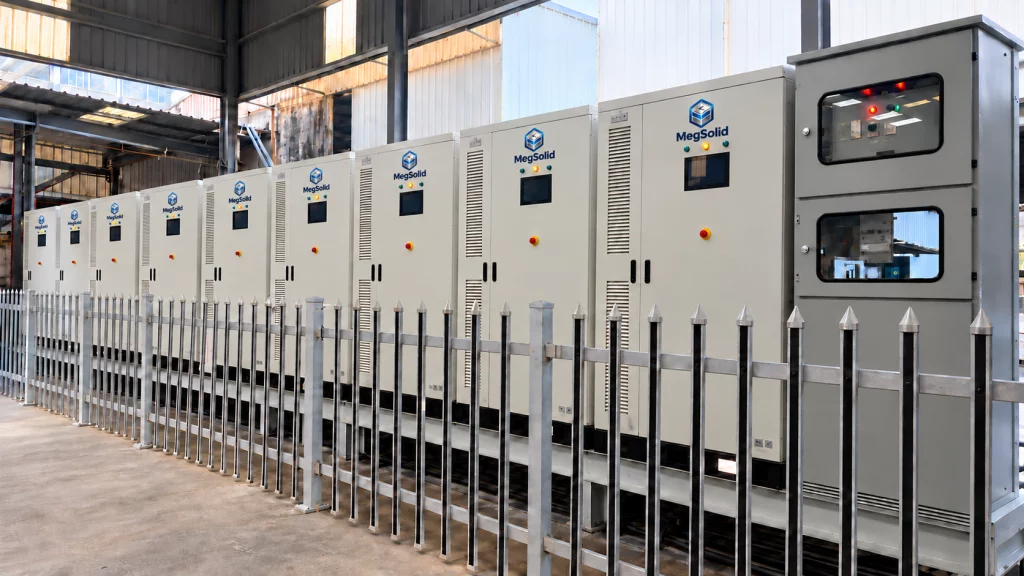
Renhe Machinery Bearings. Location: Shaoxing. Configuration: 900 kW / 1,940 kWh. Objective: Peak-load shifting and emergency backup.
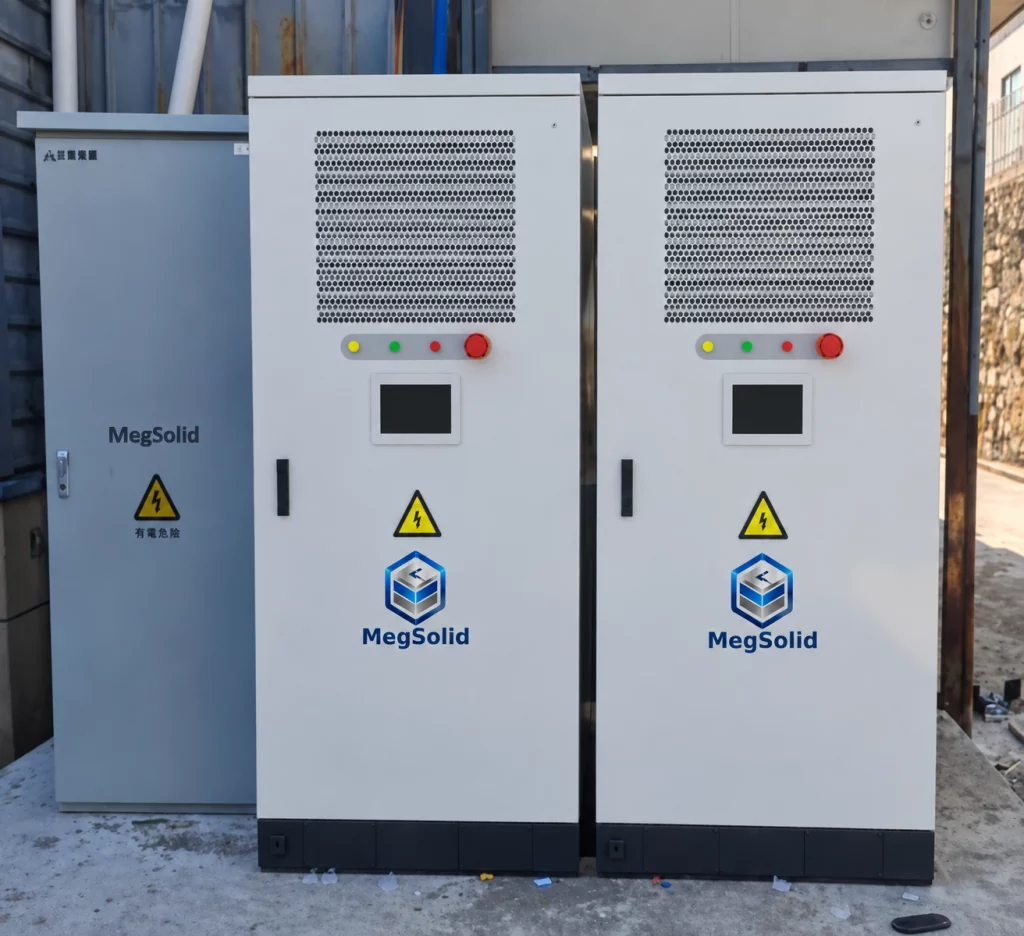
Yongyao Electric. Location: Xuancheng. Configuration: 200 kW / 450 kWh. Objective: Reduce peak electricity costs and support stable production power.
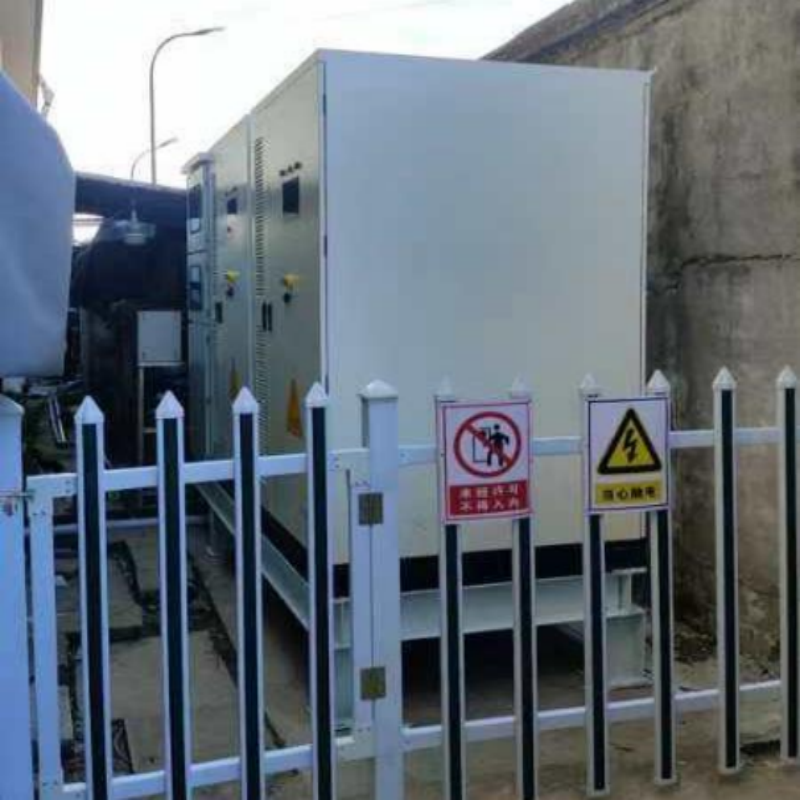
Northgate Electroplating. Location: Ningbo. Configuration: 200 kW / 430 kWh. Objective: Reduce peak electricity costs and stabilize voltage during equipment startup.
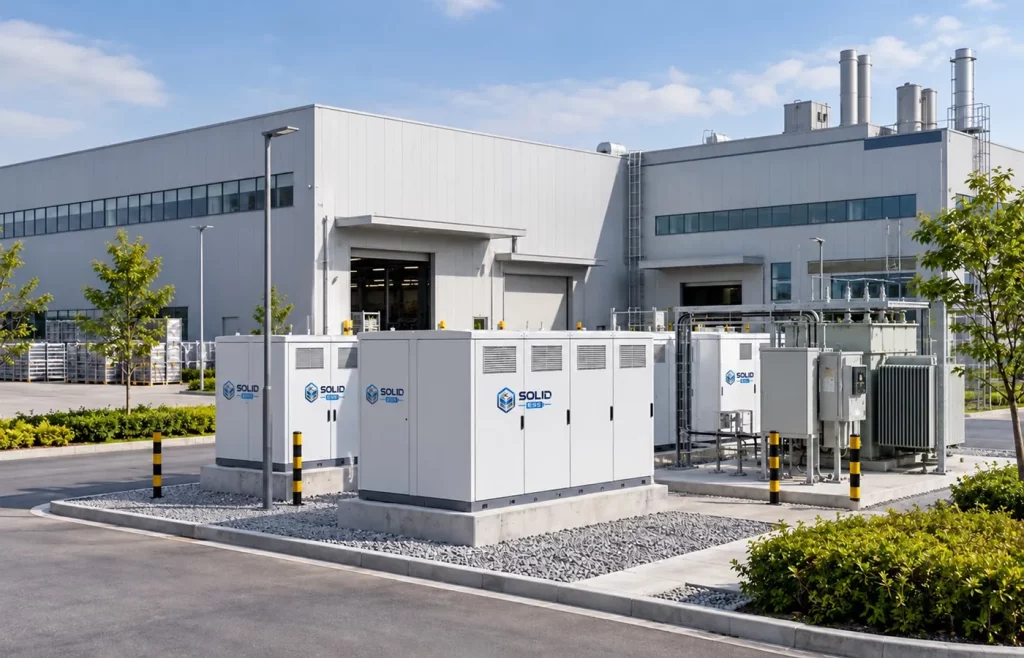
Beilun Electroplating. Location: Ningbo. Configuration: 500 kW / 1,140 kWh. Objective: Manage sudden production loads, lower peak electricity costs and reduce downtime caused by grid fluctuations.
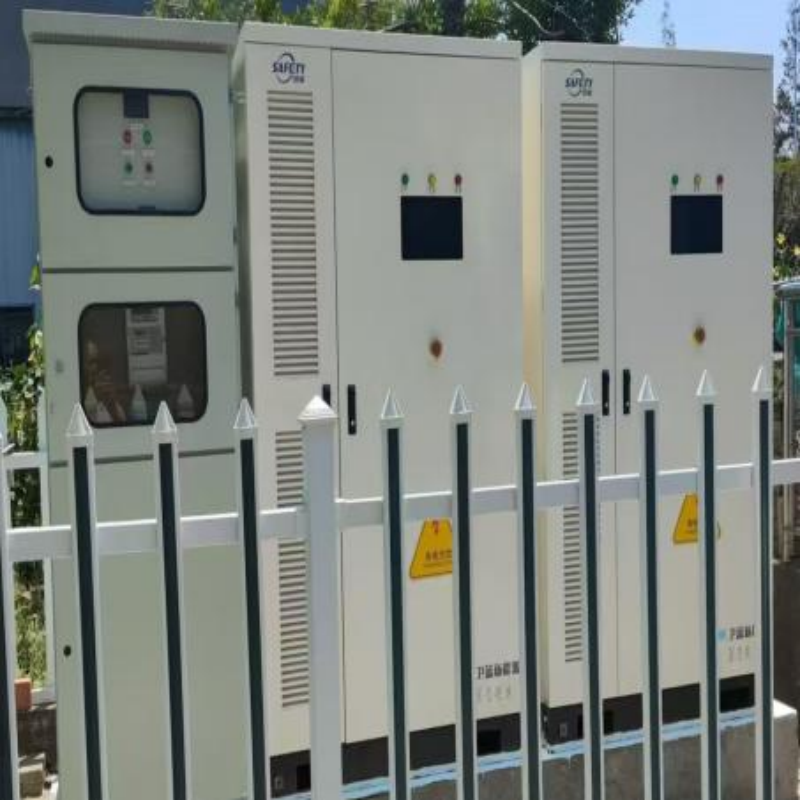
Newroute Intelligence. Location: Ningbo. Configuration: 200 kW / 430 kWh. Factory-side energy storage using parallel cabinet units.
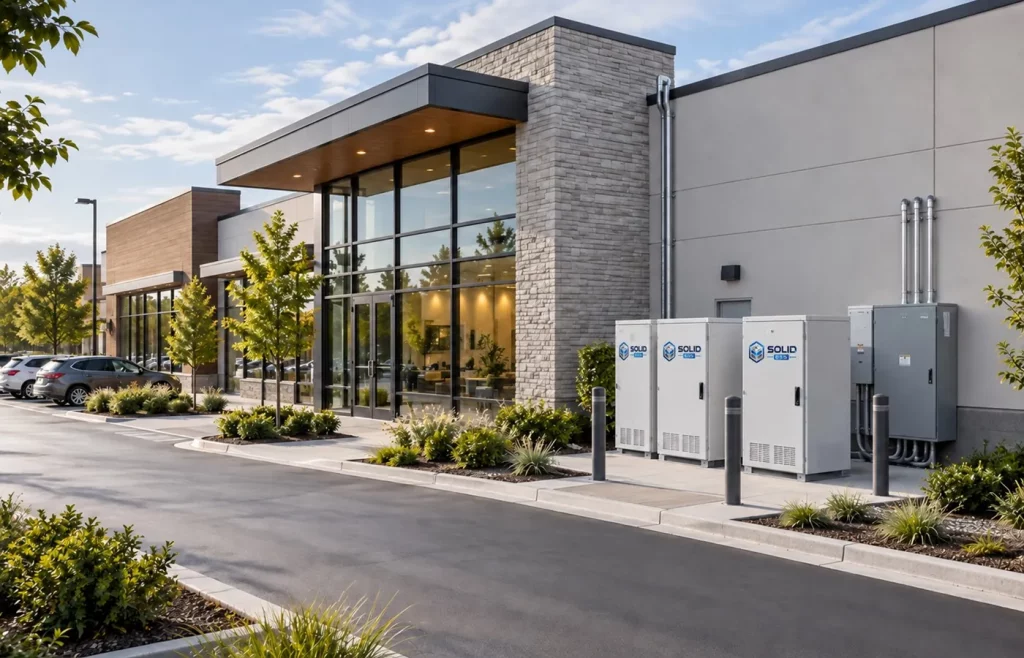
Longquan Phase I. Location: Longquan, Lishui, Zhejiang. Configuration: 100 MW / 200 MWh. Objective: Frequency regulation, peak shaving and renewable-energy integration.
Direct from a Solid-State Battery Manufacturer. Receive a customized ESS proposal, ROI analysis, and system recommendation from our engineering team.
 Optimized by Seraphinite Accelerator