 Skip to content
Commercial & Industrial Energy Storage (C&I ESS) should protect the margin your site loses to peaks, interruptions and wasted solar. A cabinet on its own cannot do that. The battery, conversion stage, meters, protection and operating plan must serve the same industrial duty. Start with the cost event you want to control and demand a quotation that includes the interfaces needed to deliver it.
Manufacturers, data centers, logistics sites and industrial parks can define these purchase objectives:
- Defined tariff and demand cost reduction
- Specified production/critical-load support
- Compatible renewable integration and recharge
- Witnessed continuity at the agreed power path
From manufacturing plants and data centers to logistics hubs and industrial parks, enterprises are facing three shared challenges:
- Rising and volatile electricity prices
- Increasing grid instability
- Growing ESG and carbon reduction pressure
Make the C&I Energy Solution measurable: import limit, required usable energy, allowed interruption, reserve and control boundary. MegSolid can review that duty against a cabinet, PCS or container route. An equipment proposal and a priced site scope let your EPC compare a complete solution.
What Is a C&I Energy Solution? Define the Equipment and Control Boundary
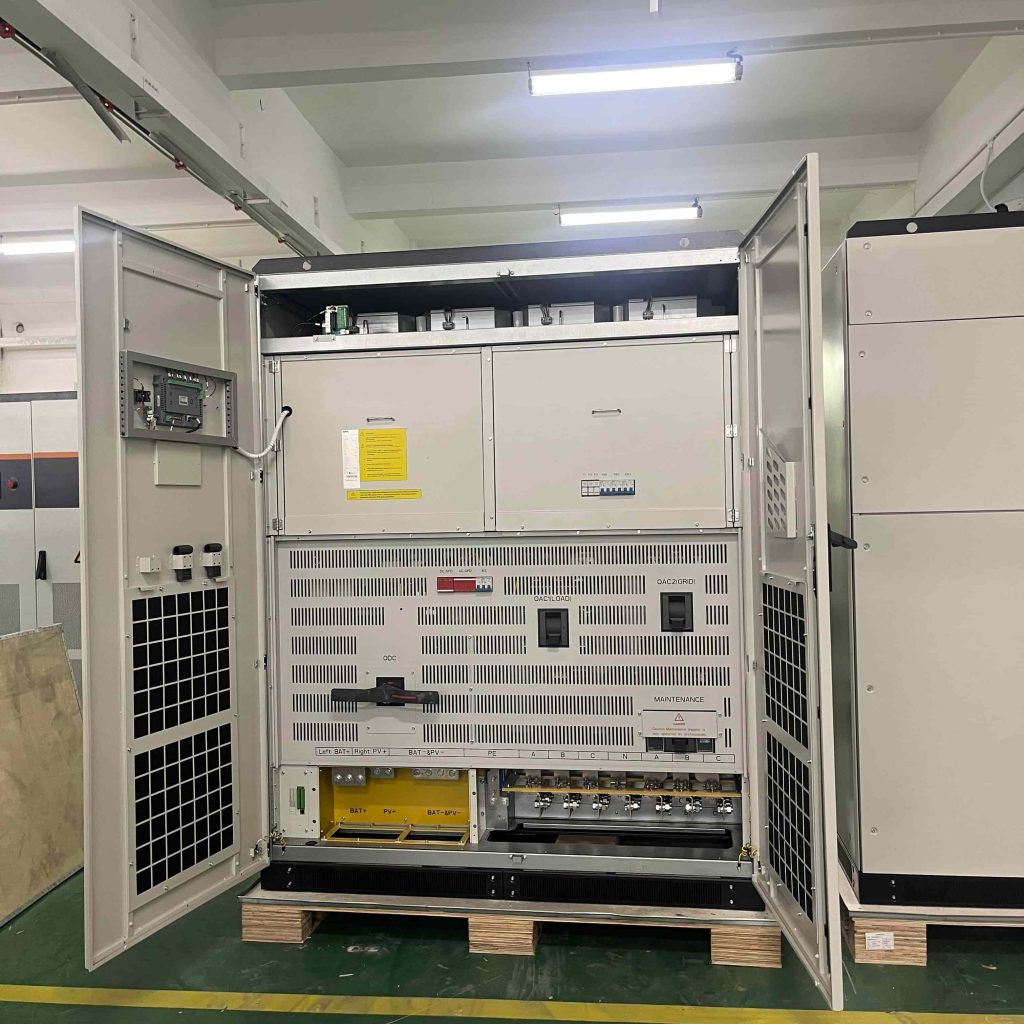
A complete C&I Energy Solution typically consists of four core components:
1. Battery Energy Storage System (BESS)
The core energy reservoir that stores and releases electricity when needed.
2. Power Conversion System (PCS / Inverter)
The energy control hub that manages AC/DC conversion and system efficiency.
Match the PCS or hybrid inverter to the actual battery, AC duty and PV architecture. Battery DC limits, PV/MPPT limits and conversion efficiency belong to a named model and measurement stage. Do not use a generic 100–450V or 97.6% figure as the specification for every MegSolid C&I system.
- Exact battery DC voltage/current window
- Conversion-stage efficiency and usable-AC energy basis
- Confirm the actual PV, grid and control interfaces for hybrid energy systems.
3. Energy Management System (EMS)
Define the EMS command owner, meter, interval, reserve and failed-input response for each required mode:
- Peak shaving
- Load balancing
- Time-of-use optimization
- Demand charge control
4. Renewable Energy Integration (Solar / Wind)
PV or wind integration needs compatible electrical and control interfaces, usable surplus and protection. Specify the source that will recharge the battery and the reserve priority before counting savings.
Why C&I Energy Systems Are Becoming a Business Necessity
Unlike residential storage, C&I systems directly affect operational profitability and production continuity.
1. Rising Demand Charges
In many markets, electricity bills are heavily influenced by peak demand, not just total consumption.
- Verify peak duration, meter interval, tariff rules, recharge and reserve before claiming demand-charge savings.
2. Cost of Downtime Is Extremely High
Even a 1-hour outage can cause:
- Production losses
- Material waste
- Equipment damage
- Delivery delays
3. Renewable Energy Variability
Storage can support renewable integration when the power/energy duty and controls justify it. Solar and wind do not universally require a battery to operate. Identify the curtailment, export or continuity problem the proposed storage will actually solve.
Traditional Energy vs Modern C&I Energy Solution
|
Dimension |
Generator route |
Battery-only offer |
Defined MegSolid C&I configuration |
|---|---|---|---|
| Operating Cost | Fuel, dispatch and maintenance basis | Charging, losses and installed scope | Actual combined duty/cost model |
| Maintenance | Actual equipment/service schedule | Model-specific O&M scope | Named equipment and site service duties |
| Response Speed | Starting/synchronization path | Specified power and switching path | Witnessed response at the agreed load boundary |
| Intelligence | Delivered generator control | Delivered battery controls | Delivered EMS functions and interfaces |
| Scalability | Engineering and site constraints | Approved electrical/control limits | Engineered expansion scope and limits |
| Environmental Impact | Actual fuel/duty emissions basis | Charging source and lifecycle basis | Project-specific energy/emissions model |
Two C&I Buyer Scenarios and Transparent ROI Arithmetic
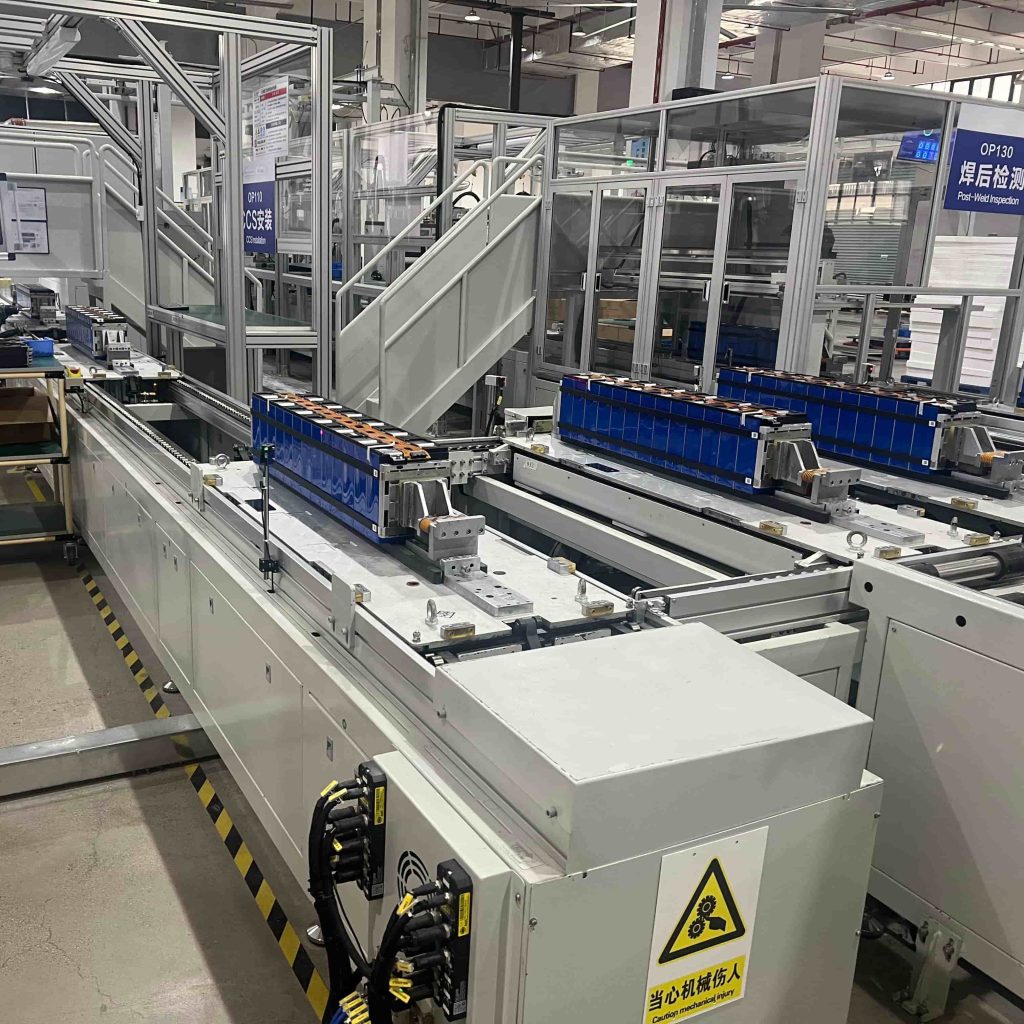
Illustrative Manufacturing Scenario: 500kW / 1MWh-Class Duty
📍Project Background
Consider a hypothetical injection-molding and mechanical-processing facility. The following load/tariff inputs illustrate the sizing and finance questions; they are not a verified MegSolid customer record:
- Hypothetical monthly energy:280,000kWh; obtain the actual interval profile
- Hypothetical peak range:480–520kW; establish the measured billing event
- Assumed demand exposure:35% of the bill; replace it with the actual tariff breakdown
⚙️System Configuration
The illustrative target is a 500kW/1MWh-class duty. Compare the ESSC container range, whose 500kW model publishes 1.0752MWh nominal energy, or an engineered PCS/battery route. Define usable AC energy, ambient limits and site interfaces rather than treating a duty target as a product guarantee.
- Illustrative 1MWh-class duty; specify usable energy separately
- Illustrative 500kW PCS duty; verify continuous/reactive/thermal limits
- Operating modes and responsibility scope to be defined
- Peak shaving
- Off-peak charging
- Daytime discharge
📉Daily Operating Strategy
- Charge within the actual low-price, grid and reserve limits
- Discharge against the agreed production peak
- Illustrative 350kW import cap; witness the real billing/control result
Gross Benefit Calculation: Verify the Tariff and Dispatch
1. Demand Charge Reduction
- Original peak: 500kW
- Optimized peak: 350kW
- Reduction: 150kW
- Demand charge: $18/kW/month
Illustrative demand reduction:150kW × $18/kW/month = $2,700/month. The reduction must be maintained over the actual billing interval and demand rules to be earned.
- $2,700
2. Energy Arbitrage Savings
- Daily discharge: 800 kWh
- Price difference: $0.12/kWh
Illustrative loss-free arbitrage:800kWh/day × $0.12/kWh ×30 days = $2,880/month. Use the actual peak/off-peak prices and charging energy to account for losses; a spread-only calculation overstates net cash flow.
- $2,880
3. Total Monthly Benefit
- $5,580 / month
The assumed monthly gross total is $2,700 + $2,880 = $5,580. Twelve such months give $66,960 before losses, auxiliaries, degradation, maintenance, finance, tax and availability. Peak-shaving and arbitrage share one battery: the operating schedule must prove both without double-counting.
- $66,960 / year
Simple Payback Under the Hypothetical Inputs
- Hypothetical investment:$180,000–240,000; obtain a current complete installed quotation
At $180,000–240,000 assumed investment and $66,960 annual gross benefit, simple gross payback is approximately 2.7–3.6 years. This is not a MegSolid quotation or a net return forecast. Price the full installed scope and model all costs and actual dispatch before approval.
- Illustrative simple gross payback:2.7–3.6 years; net result requires the full cost/duty model
📌Key Value
The acceptance plan should define any additional production-support duty. Demand-charge savings do not prove that motors, controls or protected loads survive an outage.
- Defined protected-load or production support, if required
- Agreed import/reactive/grid-interface behavior
- Witnessed protection, recovery and operating restrictions
Illustrative Data-Center Scenario: 1MW / 2MWh-Class Duty
📍Project Background
Consider a hypothetical edge data center evaluating an 800kW protected load and variable site demand. Treat the following values as planning inputs. Confirm the existing UPS, generator, bus topology and allowable interruption before assigning a BESS role.
- Hypothetical protected IT load:800kW
- Hypothetical site peak:900–1100kW; verify actual coincidence
- Specify allowable interruption and existing UPS/generator path
⚙️System Configuration
The illustrative 1MW/2MWh-class target needs a defined power path, reserve and acceptance basis. The ESSC 1MW route publishes 2.1504MWh nominal energy; that does not establish 2hours of usable AC backup at 1MW after reserve, losses and auxiliaries. Coordinate the existing UPS and generator rather than declaring any grid-connected BESS to be a UPS.
- Illustrative 2MWh-class target; verify usable AC energy and reserve
- Illustrative 1MW conversion duty; define the actual power path
- Delivered EMS functions and control ownership, not a generic AI claim
- Operating functions to be separately specified and witnessed
- BESS support to the engineered UPS/generator/backup path
- Defined peak-shaving target
- Applicable agreed grid-support functions
⚡Three-Layer Operating Model
1. Specify the Protected Power Path
- Witness the required interruption/recovery at the actual protected-load boundary; zero interruption is not assumed.
2. Define the Metered Demand Target
- Check actual load steps, power headroom and meter/control response; do not assume all AI workload spikes can be followed.
3. Dispatch Within the Backup Reserve
- Charge/discharge within the allowed tariff window, SOC reserve and available recharge power.
💰ROI Breakdown
1. Demand Charge Reduction
- Original peak: 1000kW
- Optimized peak: 800kW
- Reduction: 200kW
- Demand charge: $25/kW/month
Illustrative demand reduction:200kW × $25/kW/month = $5,000/month. Verify the meter boundary and billing interval, along with available discharge power at the required reactive duty.
- $5,000
2. Energy Arbitrage
- Daily discharge: 1,200 kWh
- Price spread: $0.15/kWh
Illustrative loss-free arbitrage:1,200kWh/day × $0.15/kWh ×30 days = $5,400/month. Check charging losses, recharge opportunity and the separate backup reserve before using this dispatch assumption.
- $5,400
3. Total Monthly Benefit
- $10,400 / month
The assumed monthly gross total is $10,400, or $124,800 across 12 such months. It excludes losses and other lifecycle costs, and must be reconciled with the reserve and control schedule.
- $124,800 / year
Price Continuity Value Separately from Energy Savings
The data center’s outage exposure may exceed its electricity savings. Estimate that value from the actual business impact and architecture, not a universal avoided-outage percentage.
Define the continuity evidence and finance assumptions:
- Document event cost from the actual protected business process
- Assess event frequency and avoided loss using the actual UPS/BESS/generator architecture
- Price proof, restrictions and warranty; no 90%outage-risk reduction assumed
Add resilience value only when the project can support the event probability, avoided loss and required power-path behavior. Do not turn one assumed outage into a recurring annual saving without that basis.
- ROI includes financial savings + risk mitigation + operational continuity
⏱️ROI Payback Period
- Hypothetical investment:$350,000–500,000; not a verified current MegSolid quote
At $350,000–500,000 hypothetical investment and $124,800 annual gross benefit, simple gross payback is approximately 2.8–4.0 years. This is an arithmetic scenario, not a current equipment quote. A net result needs the actual installed cost, losses, reserve constraints, wear and other lifecycle costs.
- Illustrative simple gross payback:2.8–4.0 years before lifecycle costs and reserve constraints
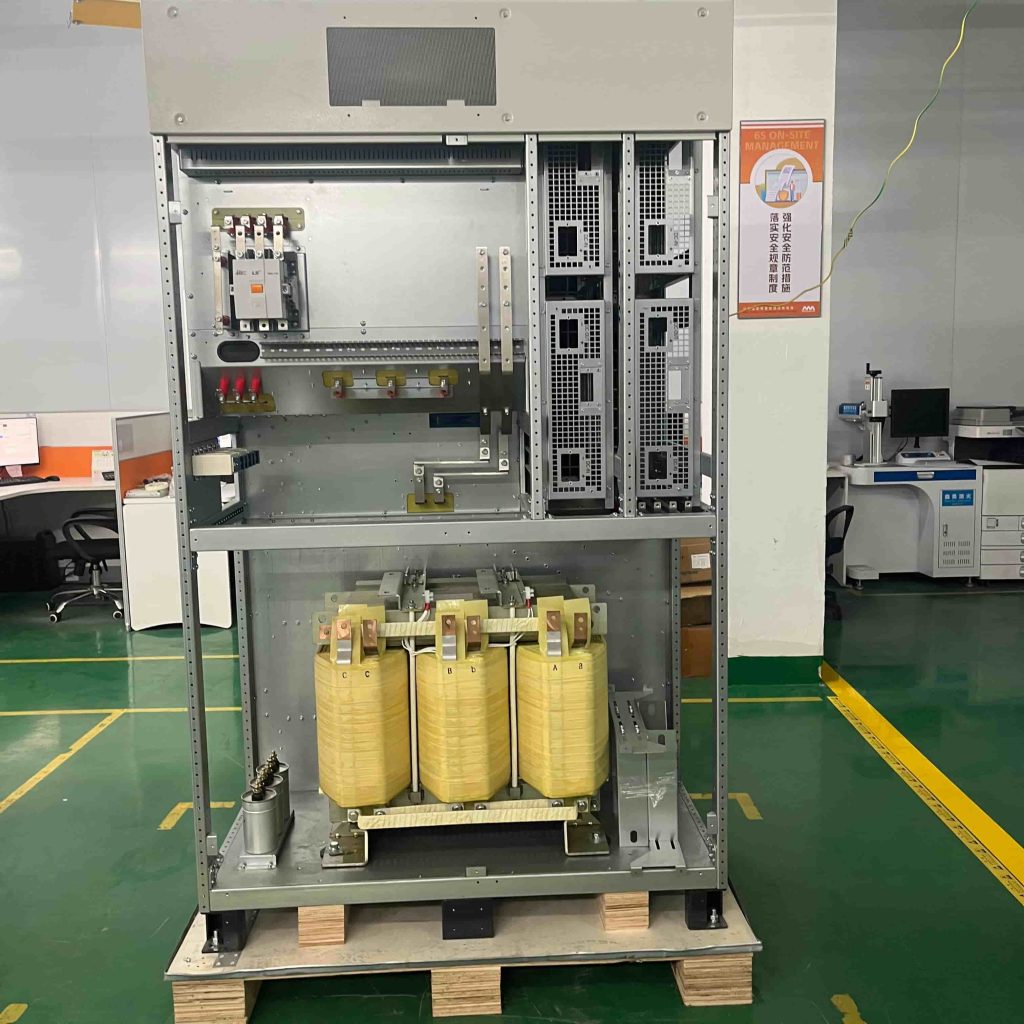
Make the MegSolid C&I Offer Answer the Project Duty
Compare MegSolid configurations against the same power, energy, control and evidence boundary. Request the available exact-model documents and exclusions rather than assuming one set of advantages covers the whole portfolio:
1. Compare Efficiency at the Correct Boundary
- Request efficiency by conversion stage and operating conditions
- Include auxiliaries, reserve and losses in delivered-energy modelling
2. Match Battery, PV and AC Interfaces
- Match actual battery, PV and AC voltage/current limits
- Define protection, controls and commissioning interfaces
3. Industrial-Grade Reliability
State the operating duty and evidence required for:
- Required power, energy and operating hours
- Start/step loads and temperature/altitude conditions
- Grid loss, recovery, protection and failed-input behavior
Request a C&I Product and Installed-Scope Review
Make the C&I energy solution a concrete purchase: defined duty, compatible equipment, named interface owners and witnessed acceptance.
Send MegSolid the interval load, current tariff, SLD, grid/import/export limits, backup duty, PV/generator data, environment and delivery target. Ask for the preliminary product route, equipment/site responsibility matrix, power/usable-energy assumptions, available reports and missing inputs for a firm quotation.
- Cost optimization
- Operational resilience
- Risk mitigation
Compare the ESSA cabinet, MEGA TS PCS or ESSC container route against the actual site. ESSA0100B-0215 publishes 100kW/215.04kWh air-cooled LFP. The suitable model and usable-energy basis follow the load, duration and installation conditions.
FAQ
Q1: Installing a C&I energy system — what changes will I actually feel in daily operations?
A C&I energy solution combines battery, power conversion, meters, controls, protection and site interfaces around a defined duty. Start with the peak, outage or renewable problem and specify the target, usable energy, reserve and acceptance boundary. A cabinet nameplate alone does not deliver the commercial result.
Q2: Will my factory or facility notice any interruption during switching?
Continuity depends on the actual UPS/backup path, switching, PCS mode, protection and loads. Specify allowable interruption, motor/start loads and recovery, then witness them at site. A grid-connected BESS does not universally provide millisecond or zero-interruption backup.
Q3: Do I need a dedicated engineer team to operate the system?
An EMS can automate the agreed modes, but the operator needs the delivered settings, priorities, alarms, restrictions and recovery procedures. Assign command ownership and maintenance responsibilities. Do not assume automation removes all operating or service work.
Q4: What is the most immediate benefit companies usually notice?
Bill savings appear only when the system meets the actual tariff and billing interval without creating offsetting costs. Verify load data, the meter/control boundary, charging losses and reserve. No first-billing-cycle reduction is guaranteed from installing storage.
Q5: Is this system only useful for saving electricity costs?
Cost savings, continuity and renewable integration are separate objectives that may share the same power and energy. Model their schedules and SOC priorities, and support any avoided-loss value with the actual business case. Do not count the same capacity twice.
Q6: How does the system behave during unstable grid conditions?
The delivered system follows its specified grid-loss, islanding, UPS/generator and protection sequence. Confirm which loads remain supported, acceptable interruption and reset/reconnection behavior. It does not automatically keep every site load running without a defined backup architecture.
Q7: What happens if my energy demand increases in the future?
Expansion requires compatible batteries, PCS, switchgear, protection, communication, controls, space and applicable approvals. Reserve and price those boundaries in the first design. Modular equipment does not guarantee expansion without site or system engineering.
Q8: Can renewable energy like solar be integrated later?
Storage can be integrated with existing or planned solar when the voltage/current, grid/export, protection and control arrangement is compatible. Model usable solar surplus and backup reserve. Ask for the actual PV/BESS interface scope before treating the addition as a simple upgrade.
Q9: Will energy management become more complicated after installation?
The EMS can execute the agreed schedule and demand target, while the site still needs settings control, monitoring, maintenance and incident procedures. Request training, alarms, logs and responsibility boundaries so automation produces an operable system.
Q10: What is the most underrated benefit of a C&I energy system?
Ask MegSolid for a preliminary cabinet, PCS or container route tied to your interval load, tariff, usable energy, reserve and power path. Request the equipment/site scope, available evidence, acceptance criteria and missing inputs for a firm quote. Those deliverables make the cost and continuity case reviewable.
