 Skip to content
Commercial and industrial (C&I) facility managers in California face a severe shift in energy economics. The transition to NEM 3.0 (Net Billing Tariff) by the California Public Utilities Commission (CPUC) has drastically reduced the remuneration rate for exported solar energy by around 70-80% compared to NEM 2.0. Deploying a rooftop PV system without integrated Battery Energy Storage Systems (BESS) is significantly less economically attractive for many C&I projects.
Under the CPUC Net Billing Tariff, exported solar energy is compensated at avoided-cost rates (often $0.05-$0.08/kWh) rather than retail rates (often $0.30-$0.45/kWh). To maintain viable payback periods, EPCs must engineer systems that maximize solar self-consumption and leverage incentives like the Self Generation Incentive Program (SGIP).
This engineering analysis explains how modern hybrid solid-state BESS architectures optimize self-consumption rates, navigate California Rule 21 grid compliance, and maximize C&I solar-storage ROI under the NEM 3.0 framework.
Key Takeaways
- NEM 3.0 reduces solar export compensation by around 70-80%, making solar self-consumption critical for ROI.
- Oversizing PV arrays and right-sizing BESS capacity shifts the economics from export-revenue to retail-offset-revenue.
- EMS control strategies prioritize self-consumption and Time-of-Use (ToU) peak shaving rather than exporting to the grid.
- 4-channel MPPT architecture maximizes solar harvest in complex industrial rooftop layouts.
- Rule 21 compliance requires smart inverters with active anti-islanding and Volt-VAR support.
California NEM 3.0 Export Compensation Economics
The Net Energy Metering (NEM) 3.0 tariff fundamentally changed how C&I facilities are compensated for solar generation by utilities like Pacific Gas & Electric (PG&E) and Southern California Edison (SCE). Under NEM 2.0, excess solar energy exported to the grid was credited at the retail rate. Under NEM 3.0, it is credited at the wholesale avoided-cost rate.
If a manufacturing facility exports 100 kWh of solar energy during peak generation hours, NEM 2.0 might have credited them $35. Under NEM 3.0, that same export yields only $5 to $8. If the facility needs to purchase grid power at night at the retail rate of $0.35/kWh, the economic gap is devastating. A solar-only system essentially sells power at wholesale and buys it back at retail, extending the payback period from 5 years to over 10 years.
PV-BESS Sizing Methodology for Maximum Self-Consumption
To engineer a profitable system under NEM 3.0, the goal shifts from "maximizing export" to "maximizing self-consumption." The BESS must capture the midday solar surplus and discharge it during evening peak hours. Furthermore, systems must be sized to qualify for capacity rebates under the SGIP, which heavily incentivizes standalone storage and solar-storage integration.
EPCs must evaluate the facility's daytime load profile. If the facility operates 24/7, a smaller BESS is needed because daytime loads consume the PV power directly. If the facility operates only during the day, a larger BESS is required to store the excess for nighttime use.
|
Load Profile |
Recommended PV Ratio |
BESS Duration |
EMS Strategy |
|---|---|---|---|
| 24/7 Manufacturing | 100-120% of peak load | 1–2 h | Peak shaving + self-consumption |
| Daytime Commercial | 120-150% of peak load | 3–4 h | Self-consumption + evening backup |
| Agricultural Pumping | 150-200% of peak load | 2–3 h | Load shifting to off-peak hours |
The BESS duration dictates the DC bus capacity (e.g., a 215kWh cabinet provides roughly 2 hours of support for a 100kW load).
EMS Dispatch Strategy Under NEM 3.0
Under California NEM 3.0, the engineering objective is no longer maximizing PV generation but maximizing on-site energy utilization. The Energy Management System (EMS) is the brain of the solar-storage system. The EMS must actively manage power flow to prevent solar export and maximize retail offset, especially during Time-of-Use (ToU) peak windows (e.g., 4 PM - 9 PM).
- Zero-Export Mode: The EMS monitors the facility's net load. If it detects that PV generation exceeds facility load, it instantly commands the BESS to charge, absorbing the surplus and preventing low-value export.
- Peak Shaving: During evening hours when retail rates are highest, the EMS discharges the BESS to shave the peak demand profile, avoiding expensive ToU charges and Demand Charges.
- Rule 21 Grid Support: If the utility issues a smart inverter command (e.g., Volt-VAR), the EMS adjusts reactive power output to support grid stability.
Rule 21 Grid Compliance Requirements
Distributed energy resources interconnected to California investor-owned utility distribution systems must comply with California Rule 21 interconnection requirements administered by the applicable utility and overseen through the CPUC framework. CAISO requirements may apply to certain wholesale-market or transmission-connected projects but are not generally the governing authority for standard Rule 21 interconnections. Standard inverters without advanced grid support functions may not satisfy Rule 21 interconnection requirements.
IEEE 1547-2018 specifies performance-based requirements for Volt-VAR control and ride-through capabilities. During minor grid voltage sags, the BESS injects reactive power to stabilize the local grid rather than disconnecting. This Low-Voltage Ride-Through (LVRT) capability is mandatory for Rule 21 compliance. Additionally, IEEE 519-2022 recommends harmonic distortion limits to prevent overheating of transformers. The integrated PCS actively limits Total Harmonic Distortion of Current (THDi) below 3% under rated load.
Thermal Resilience During California Heat Waves
California's climate presents high ambient temperatures (often exceeding 35°C) during summer heat waves. Standard liquid lithium-ion batteries suffer from accelerated degradation and thermal runaway risks under these conditions, especially when placed in outdoor generator yards.
UL 9540A is a standard test methodology that evaluates the fire risk of a complete BESS by inducing thermal runaway in a single cell. Modern hybrid solid-state architectures utilize a stable solid electrolyte matrix designed to reduce the release of flammable electrolyte under thermal stress compared with conventional liquid-electrolyte systems. This architecture, combined with intelligent liquid cooling, maintains a strict temperature gradient, preventing localized hotspots and safely allowing deployment near critical infrastructure.
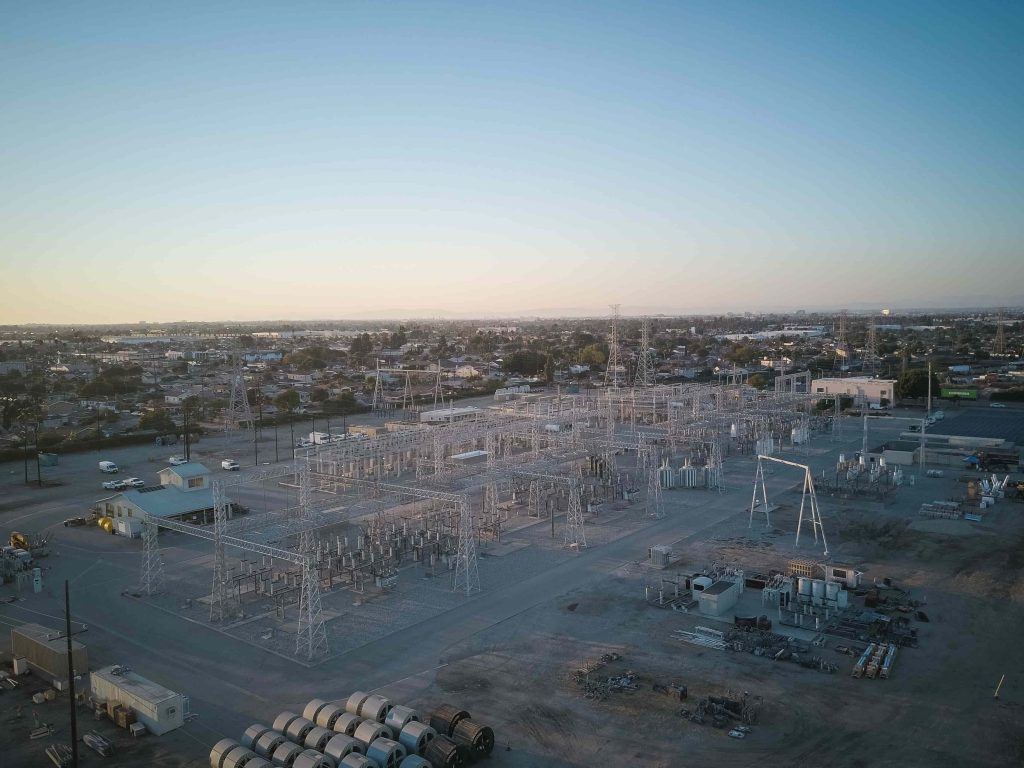
Field Experience: 2025 Manufacturing Plant Deployment in Fresno, California
In early 2025, a manufacturing facility in Fresno, California, faced severe economic strain under NEM 3.0. Their existing 500kWp rooftop PV system was exporting surplus energy at $0.06/kWh while purchasing grid power from PG&E at $0.38/kWh. Certain customer identifiers have been omitted due to confidentiality agreements, but engineering data is based on site commissioning records and factory acceptance documentation.
To solve this, a 1MWh hybrid solid-state BESS array was deployed, integrated with the existing PV system via a custom EMS. The project timeline spanned 8 weeks from factory acceptance testing (FAT) to final SAT.
System Configuration & Commissioning Constraints
- System Configuration: 5x 215kWh Outdoor Cabinets, 500kW PCS with Isolation Transformer, 768V DC Bus, Modbus TCP, Zero-Export Controller.
- Site Environment: The site featured high ambient temperatures (up to 38°C) during summer. The intelligent liquid cooling system maintained the internal battery rack temperature at a stable 29°C, with no thermal derating.
- Commissioning Challenges: During commissioning, the project team observed inverter oscillation during rapid motor starts, requiring EMS dispatch deadband optimization before SAT approval.
- Acceptance Criteria: The site acceptance test (SAT) required zero solar export during peak generation hours and a minimum 70% self-consumption rate.
Verifiable Project Outcomes (According to project commissioning records)
- Self-Consumption Rate: Increased from 30% to 78%, maximizing retail offset revenue.
- SOC Range: The EMS successfully cycled the BESS between 20% and 80% SOC daily, demonstrating stable EKF algorithm performance.
- Grid Compliance: Successfully passed Rule 21 interconnection tests, including Volt-VAR and LVRT requirements.
- Note: Results vary depending on site configuration, local tariffs, and environmental conditions.
ROI Calculation for a 500kWp C&I Solar-Storage System
To quantify the economic impact of integrating BESS under NEM 3.0, consider the operational data from the Fresno manufacturing facility referenced above.
|
Parameter |
NEM 2.0 Solar-Only |
NEM 3.0 Solar-Only |
NEM 3.0 Solar+BESS |
|---|---|---|---|
| Daily Solar Export | 1000 kWh | 1000 kWh | 0 kWh |
| Export Rate | $0.35/kWh | $0.06/kWh | N/A |
| Daily Export Revenue | $350 | $60 | $0 |
| Grid Offset by BESS | 0 kWh | 0 kWh | 800 kWh |
| Daily Offset Savings | $0 | $0 | $304 |
| $304 | $350 | $60 | $304 |
By preventing low-value export and shifting solar energy to high-value retail offset, the BESS integration recovers approximately $244 per day in lost revenue compared to a NEM 3.0 solar-only system. In this example, the modeled payback period is approximately 3–5 years, depending on tariff structure, demand charges, SGIP incentives, operating profile, and financing assumptions.
Engineering Comparison: NEM 2.0 Solar-Only vs. NEM 3.0 Solar-Storage
EPCs and facility managers must evaluate the total cost of ownership when designing solar systems under NEM 3.0.
|
Engineering Feature |
NEM 2.0 Solar-Only |
NEM 3.0 Solar-Storage |
|---|---|---|
| Export Compensation | Retail Rate | Avoided Cost Rate |
| Self-Consumption Rate | Low (~30%) | High (>70%) |
| Evening Grid Purchase | High (Retail Rate) | Low (BESS Discharge) |
| Grid Code Compliance | Basic IEEE 1547 | Rule 21 Smart Inverter |
| Thermal Management | N/A | Liquid-cooled, stable at 38°C+ |
| Overall ROI | Viable (Legacy) | Viable (With BESS) |
Why Integrated Manufacturing Matters for Solar-Storage Systems
Deploying a PV-BESS system in California requires stringent engineering design considerations. Factory integration ensures that the battery modules, PCS, BMS, and EMS are tested as a single cohesive unit before deployment.
Integrated manufacturing matters because it guarantees BOM traceability down to the cell batch, ensuring that the system will behave exactly as modeled during the design phase. Internal testing follows IEC and IEEE-related communication and safety standards (including IEC 62619, UL 9540A, and NFPA 855 guidelines) before factory acceptance testing (FAT). MegSolid operates as a direct manufacturer providing these integrated engineering solutions, offering comprehensive OEM/ODM manufacturing services for global EPC partners. (Explore our microgrid solutions for unstable grids, our 215kWh Outdoor Cabinet ESS, and read our BESS thermal runaway prevention guide).
References & Industry Standards
MegSolid's engineering design and testing protocols align with the following regulatory frameworks and industry standards:
- California Public Utilities Commission: Net Billing Tariff (NEM 3.0)
- California Energy Commission: Rule 21 Interconnection Standards
- CPUC: Self Generation Incentive Program (SGIP)
- IEEE: 1547-2018 Standard for Interconnection and Interoperability of Distributed Energy Resources
- IEEE: 519-2022 Recommended Practice and Requirements for Harmonic Control in Electric Power Systems
- UL: 9540A Standard for Safety of Energy Storage Systems and Equipment
- NFPA: 855 Standard for the Installation of Stationary Energy Storage Systems
- IEC: 62619 Safety requirements for secondary lithium cells and batteries in industrial applications
FAQ
Q1: What is California NEM 3.0 and how does it affect C&I solar ROI?
NEM 3.0 compensates exported solar energy at wholesale avoided-cost rates rather than retail rates. This reduces export revenue by around 70-80%, making solar-only systems significantly less economically attractive and requiring BESS integration to maximize self-consumption.
Q2: How does a BESS maximize ROI under NEM 3.0?
The EMS uses the BESS to capture midday solar surplus and discharge it during evening peak hours. This prevents low-value export and offsets high retail grid purchases, maximizing the system's overall value.
Q3: How do you size a PV-BESS system for maximum self-consumption?
For a typical 24/7 manufacturing plant, the recommended PV ratio is 100-120% of peak load, with a BESS duration of 1-2 hours. The EMS prioritizes self-consumption and peak shaving rather than exporting to the grid.
Q4: Can the BESS survive the high temperatures in California's Central Valley?
Yes. The hybrid solid-state chemistry tolerates high ambient temperatures. Combined with an intelligent liquid cooling system and IP54 enclosure, the internal battery rack remains stable at 29°C even when outside temperatures exceed 38°C, without thermal derating.
Q5: How does the system comply with California Rule 21?
The PCS supports smart inverter functions, including Volt-VAR control and Low-Voltage Ride-Through (LVRT), as required by IEEE 1547-2018 and Rule 21. It also actively limits THDi below 3% under rated load in accordance with IEEE 519-2022.
Q6: How does the EMS prevent solar export under NEM 3.0?
The EMS monitors the facility's net load. If it detects that PV generation exceeds facility load, it instantly commands the BESS to charge, absorbing the surplus and preventing low-value export.
Q7: Is the BESS safe to install near existing fuel storage?
Yes. The solid electrolyte matrix is fundamentally more stable than volatile liquid electrolytes. Designed according to UL 9540A evaluation methodology, it significantly reduces the probability of thermal runaway propagation.
Q8: Does the system support integration with existing PV arrays?
Yes. The EMS supports AC coupling with existing PV arrays. It prioritizes solar power first, BESS second, and grid last, maximizing the use of renewable energy.
Q9: What communication protocols are supported for remote monitoring?
The EMS Controller supports Ethernet-based Modbus TCP for SCADA integration, allowing remote monitoring of self-consumption rates, SOC, and system health from anywhere in the world.
Q10: What is the typical ROI for a solar-storage system under NEM 3.0?
Actual ROI depends on tariff structure, demand charges, SGIP incentives, operating profile, and financing assumptions. In typical C&I examples, the modeled payback period is approximately 3–5 years based on the significant increase in self-consumption value.
Q11: How does NEM 3.0 affect commercial solar in California?
NEM 3.0 reduces the compensation for exported solar energy by around 70-80%, shifting the economics from export-revenue to retail-offset-revenue. This makes solar-only systems significantly less economically attractive and requires BESS integration to maximize self-consumption and ROI.
Q12: What is the best battery technology for California heat waves?
Hybrid solid-state LFP is the best technology. It tolerates high ambient temperatures without thermal derating and uses a stable solid electrolyte matrix for intrinsic safety. Combined with intelligent liquid cooling, it ensures stable operation at 38°C+ ambient.
Q13: How fast must a microgrid inverter switch to prevent factory downtime?
A microgrid inverter must switch typically within 8–10ms under pre-synchronized conditions. Industrial PLCs generally have a ride-through capability of 10-20ms. An 8–10ms switchover time ensures zero-break power continuity, preventing process crashes during grid failures.
Get Your Custom Microgrid Engineering Consultation
For technical consultation, microgrid system selection, OEM/ODM cooperation, and distributor opportunities, contact our engineering team:
Global Sales & HQ (Hong Kong):
FLAT 7, 11/F BLK C HANG WAI IND CTR, 6 KIN TAI ST, TUEN MUN, HONG KONG
- Email: [email protected]
- Phone: +852 59811073
R&D & Manufacturing Facility (Huzhou):
No. 898 Mengxi Road, South Taihu New Area, Huzhou City, Zhejiang Province, P.R.China
- Website: https://www.solidess.com/
