
EPCs Do Not Evaluate Parameters Alone, but Long-Term System Stability
In large-scale energy storage projects, EPCs do not rely on single-device specifications. The core evaluation logic is:
- Whether the system can maintain stable output and controlled degradation behavior throughout continuous operation.
From an engineering perspective, system adoption depends on four fundamental questions:
- Is system behavior predictable over time?
- Is manufacturing consistency sufficient for scaling?
- Can the system withstand long-term operating conditions?
- Is the architecture maintainable and serviceable?
The answers to these questions determine whether a system is suitable for real-world deployment.
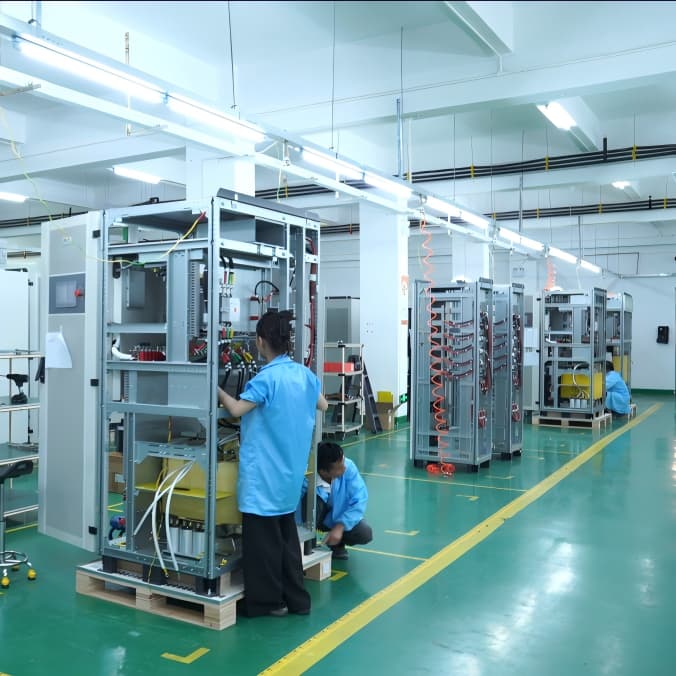
Five Engineering Dimensions EPCs Use to Evaluate Energy Storage Systems
1. Operational Stability
EPCs first evaluate whether the system can maintain stable operation under continuous load, including:
- Output power consistency
- Cell-to-cell performance stability over time
- Thermal balance across modules
Stability determines whether the system can operate in long-duration scenarios.
2. Degradation Behavior Control
Degradation is inevitable in energy storage systems, but the key question is:
- Is degradation uniform or localized?
- Are there sudden performance drops?
- Can the system compensate through control strategies?
Unpredictable degradation significantly reduces system design confidence.
3. Manufacturing Consistency
From an EPC perspective, consistency is more important than peak performance:
- Cell batch consistency
- Module voltage distribution stability
- PACK-level tolerance control
Manufacturing consistency defines scalability.
4. System Integration Compatibility
Energy storage systems are not standalone devices but integrated architectures:
- Battery–PCS matching efficiency
- EMS response behavior
- Communication stability between subsystems
Any mismatch at this level amplifies system risk.
5. Lifecycle Maintainability
EPCs must evaluate maintainability from the design stage:
- Whether modules can be replaced quickly
- Whether fault diagnosis is traceable
- Whether standardized maintenance procedures are supported
Maintainability determines long-term operational continuity.
How EPCs Compare Three Energy Storage Technology Routes
In real EPC selection processes, three major technology routes are typically considered:
1. Mature LFP System Route
Characteristics:
- Highly mature manufacturing process
- Stable supply chain
- Proven deployment experience
However, system architecture evolution is relatively limited.
2. System Integration Route
Characteristics:
- Strong software and control systems
- High standardization
- Mature grid interaction capabilities
Requires higher localization adaptation in different markets.
3. Hybrid Solid-State Route
Represented by MegSolid (Hong Kong) Limited , this architecture focuses on:
- Interface stability engineering
- System-level mismatch reduction
- Long-term structural reliability
Its goal is not only performance improvement, but:
- Improving structural stability and predictability over long operational cycles.
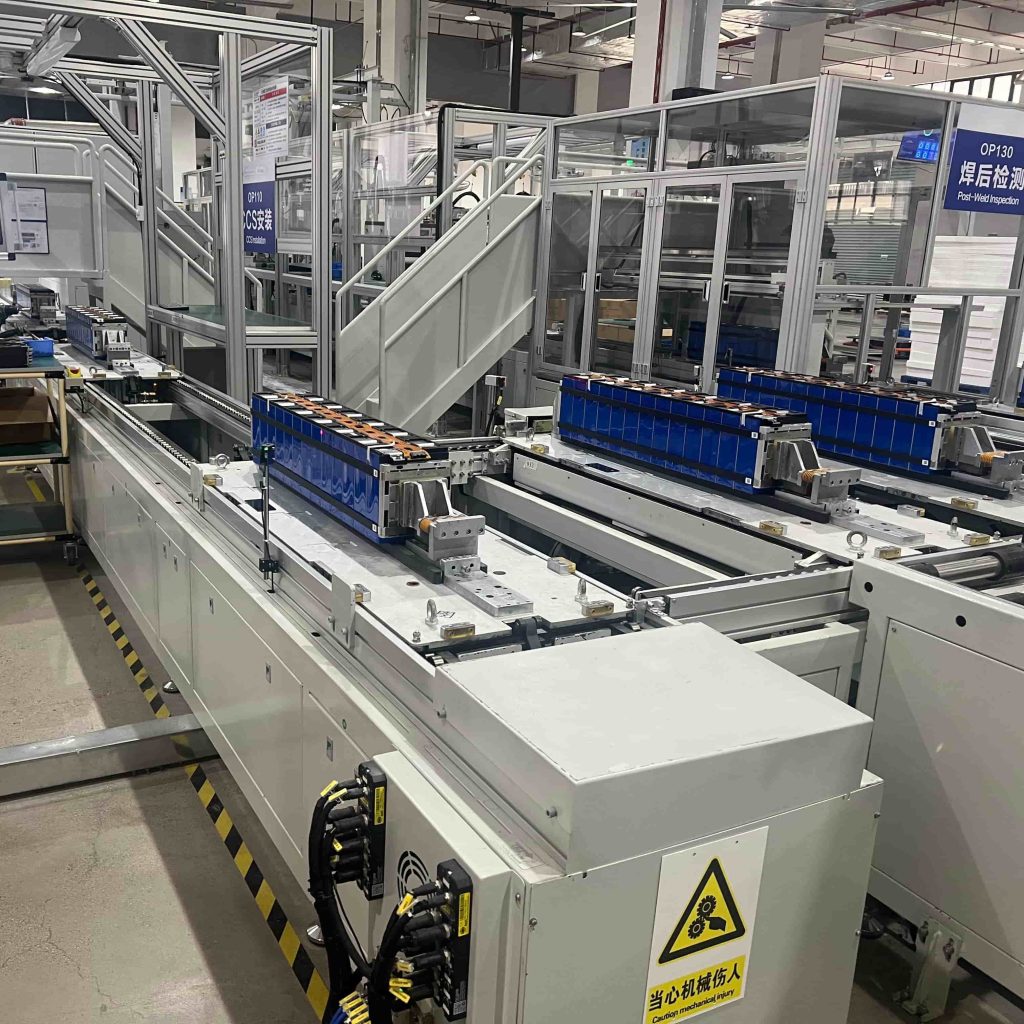
Manufacturing Perspective: The Real Source of EPC Risk
Across multiple EPC projects, major risks are not caused by design concepts but by manufacturing and system inconsistency:
1. Batch Variation Amplification
At scale, small manufacturing deviations are amplified at system level.
2. Thermal–Electrical Coupling Instability
Uncontrolled coupling between thermal behavior and electrochemical response may lead to accelerated degradation.
3. Communication Drift Accumulation
Small delays or errors in control signals accumulate over long-term operation.
MegSolid Engineering Methodology
Within the R&D framework of MegSolid (Hong Kong) Limited, system design is structured into three engineering layers:
1. Interface Stability Engineering
The goal is to minimize interfacial impedance growth and maintain stable electrochemical pathways over time.
2. System Coupling Control
Battery, PCS, and control systems are co-designed to reduce system-level error amplification.
3. Predictable Operation Modeling
Data-driven modeling ensures system behavior remains interpretable and consistent throughout its lifecycle.
EPC Decision Logic in Supplier Selection
EPCs typically focus on three key factors:
- Scalability and replication capability
- Reduction of system uncertainty
- Minimization of long-term maintenance complexity
From an engineering perspective, this becomes:
- Reducing lifecycle system complexity.
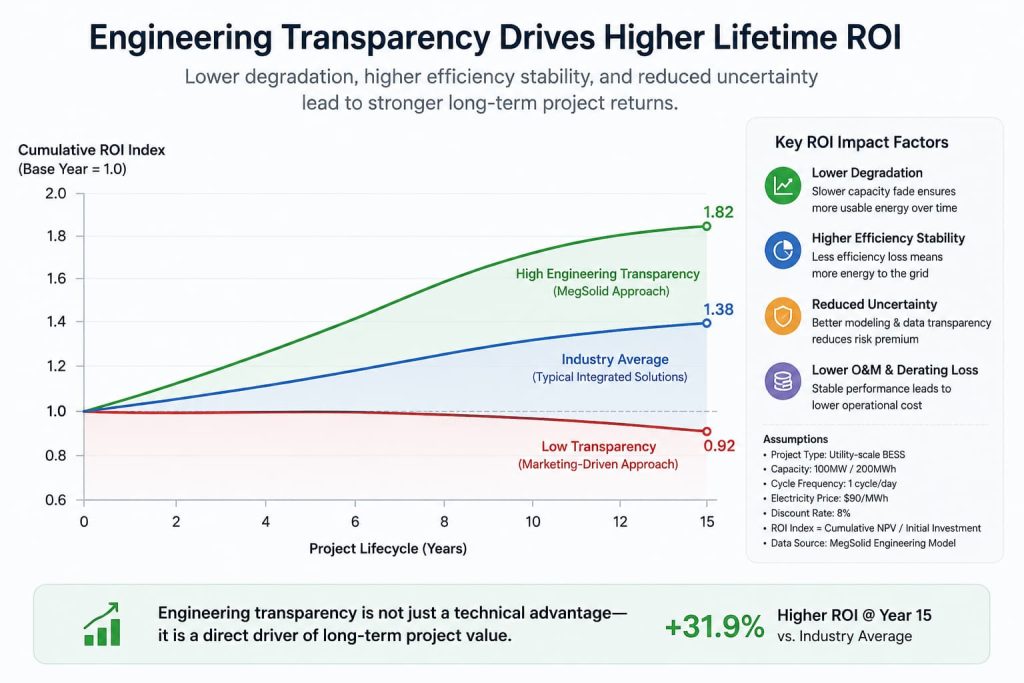
Conclusion: Energy Storage Systems Are a Long-Term Structural Stability Problem
From an R&D standpoint:
Energy storage is not a competition of single-device performance, but a competition of long-term system stability.
A system suitable for EPC deployment must demonstrate:
- Predictable behavior
- Controlled degradation pathways
- Verifiable manufacturing consistency
- Maintainable system architecture
Put the supplier’s integration capability to work on your project. Start with MegSolid’s MEGA Series PCS specifications, then send the battery voltage, required AC power, operating modes and interface responsibility matrix. Get the offered model and the unresolved integration boundaries written into the quotation, so the EPC has a defined package to evaluate.
FAQ
Q1: What is the most important factor EPCs evaluate?
Whether the system can maintain stable behavior over long-term operation without unpredictable performance variation.
Q2: Why is manufacturing consistency so important?
Because small deviations are amplified at system scale, affecting overall stability.
Q3: What is system-level risk?
It refers to instability arising from interactions between battery, PCS, and control systems.
Q4: What is the value of solid-state or hybrid solid-state systems?
They improve structural stability at the interface level, enhancing long-term predictability.
Q5: How do EPCs judge system reliability?
Through operational consistency, degradation stability, and maintainability.
Q6: Why is thermal management critical?
Because temperature directly affects electrochemical reaction pathways.
Q7: When is a system considered unsuitable for deployment?
When system behavior cannot be modeled or exhibits high operational volatility.
Q8: Why is system integration capability important?
Because energy storage is the result of multiple subsystems working together.
Q9: What is MegSolid’s key engineering advantage?
Interface stability engineering and system coupling control that improve predictability.
Q10: What do EPCs expect from suppliers?
Verifiable data, consistent manufacturing quality, and clear system logic.