
A mine fan or pump that restarts badly can stop production and disrupt the approved ventilation sequence. Discuss the MegSolid MEGA PCS options with the measured motor event, then size stored energy for the approved mine operating state. Send the generator and load-step records so the proposal addresses electrical continuity without treating a cabinet label as underground installation approval.
Mine backup protects people and production, so the site’s actual hazard and life-safety review must lead the design. Both liquid lithium-ion Battery Energy Storage Systems and solid-state batteries can release heat or gas and need appropriate electrical, fire and installation protection. MegSolid can provide an equipment/configuration proposal, but a chemistry label does not authorize underground siting or replace the mine’s approved safety architecture.
In this guide you'll learn:
- Why Eskom load shedding threatens underground mine ventilation and life-safety compliance.
- How to compare actual cell/system safety evidence with the mine’s approved siting and hazard scope.
- Engineering strategies for integrating BESS with high-inertia loads like ventilation fans and hoists.
- How to calculate the transparent ROI of diesel replacement in remote mining operations.
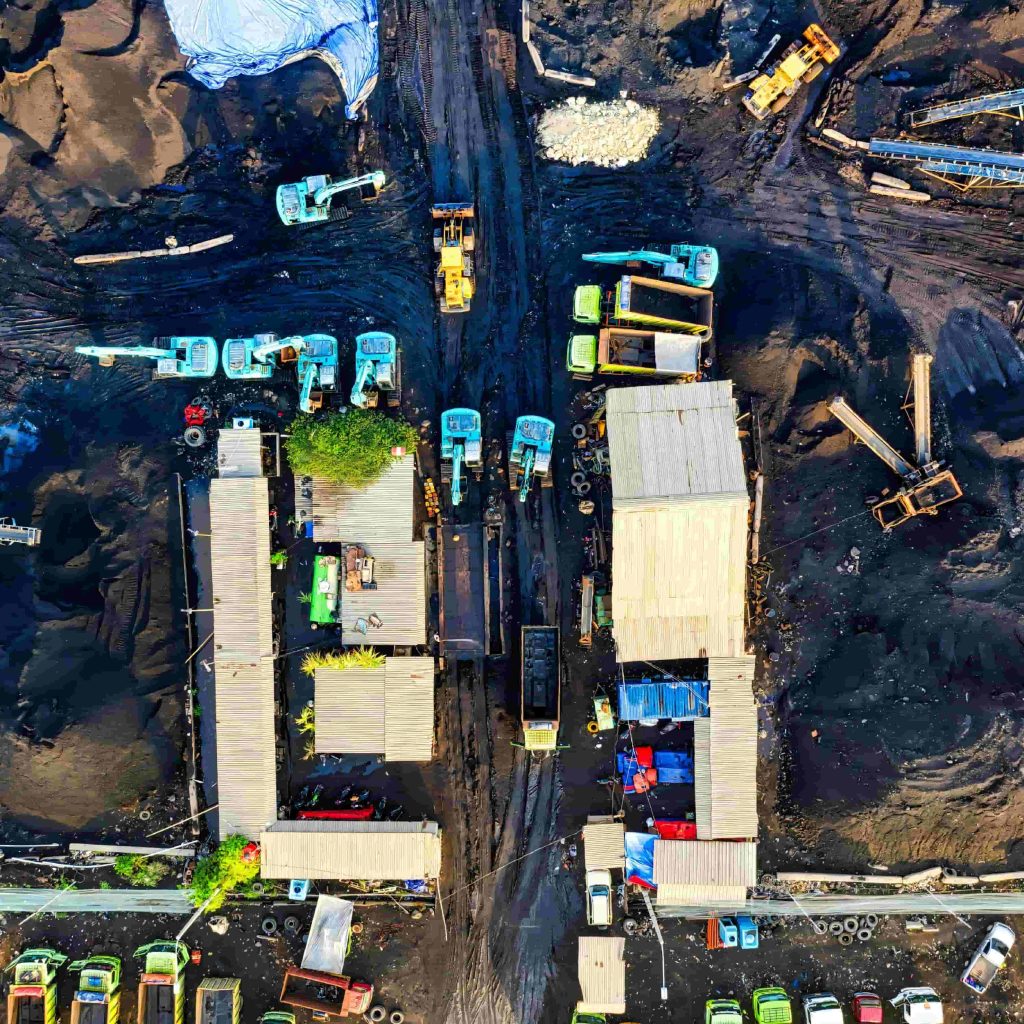
The Underground Life-Safety Challenge During Load Shedding
Deep-level mining in South Africa (e.g., gold and platinum reefs in the Witwatersrand basin) relies heavily on continuous ventilation and water pumping. Ambient rock temperatures can exceed 60°C, requiring massive surface ventilation fans to force cooled air underground.
Ventilation Failure and Methane Accumulation
Ventilation, pumping and escape duties require mine-specific interruption and recovery limits approved by the responsible professionals. ISO 19296 is not evidence here of a universal 15-minute ventilation allowance. Measure the actual fan/VSD and transfer behavior, coordinate the backup sources and approved operating response, and do not substitute a generic switch-time claim for the mine’s life-safety requirement.
Cell and Installation Evidence for Mine Deployment
Underground or adjacent surface installation needs the mine’s site-specific electrical, fire, ventilation, emergency and authority review. LFP cathode chemistry can coexist with a semi-solid electrolyte; neither design is automatically suitable for a shaft. The offered cell/system and installation evidence determine the approved scope.
Mitigating Thermal Runaway Propagation
Some hybrid electrolyte designs may reduce particular flammability pathways, but they do not eliminate gas, heat or internal-short hazards. UL 9540A is a propagation test method, not mine-siting approval or proof that civil protection may be reduced. Match the offered cell/BOM, system report, detection, cooling and protection to the site hazard review. BESS thermal runaway prevention guide
Engineering High-Inertia Load Support
Mining ventilation fans and cage hoists present unique engineering challenges compared to standard C&I loads. They possess high rotational inertia and require massive reactive power during startup.
PCS Synchronization and Reactive Power Support
Put the actual fan and hoist behavior into the PCS offer: running kW/kVA, start and restart method, voltage tolerance, interruption limit, regenerative operation and source transition. Define the converter/control, transformer/protection and generator interfaces for that configuration. A generic 8–10 ms claim does not guarantee VSD ride-through; verify the agreed duty on the supplied package. microgrid solution for weak grid
Thermal Resilience in High-Dust and High-Humidity Environments
South African mining environments present extreme ambient conditions, including high dust particulates (silica) and high humidity from cooling sprays. Standard outdoor cabinets suffer from filter clogging and condensation.
IP54 Enclosure and Liquid Cooling Engineering
IP54 limits ingress under its rated scope; it is not complete dust exclusion or condensation immunity. Liquid cooling uses a coolant circuit, but heat still must leave through its external heat-rejection system. Match intake/exhaust, filters, service access and derating to the mine. ESSA is air-cooled; any custom liquid-cooled package needs its own released BOM and environmental evidence. liquid cooling ESS technology
How Much Can South African Mines Save? (Transparent ROI Derivation)
Price a measurable reduction in fuel and interruptions, not a generic chemistry return. Use the logged backup hours, generator fuel curve, mine load and recharge opportunity with complete installed and operating costs. A tariff or diesel-price forecast alone does not establish that the selected battery can displace the claimed fuel.
Step 1: Assumptions Breakdown
- Illustrative fuel price:1, 000L/day×R25/L=R25, 000/day only as an input scenario; use actual logged consumption and delivered price.
- Load Profile: 500kW continuous ventilation load.
- Illustrative lifecycle reserve:US$6,000/year is an assumption, not a reserve derived from verified 2% annual fade.
- Illustrative capex:US$480,000 for a 1 MWh-class/500 kW example, not a current offered mine configuration or complete site quote.
Step 2: Calculation Steps
- Fuel displacement:800L/day atR25/L would equalR20, 000/day gross, only if logged fuel/energy/recharge modeling demonstrates that displacement.
- Demand value:The stated200 kW /US$50day reduction needs actual billed intervals and a tariff/dispatch model; motor-start peaks alone do not prove the saving.
- Currency boundary:The old US$1,130/day mixes Rand and dollar inputs without a stated FX/billing date; recalculate in one agreed currency.
- Annual duty:Multiply the verified daily benefit only by the applicable operating days; US$372,900 is not established without the energy/fuel model.
- Net benefit:Deduct charging energy, losses, auxiliaries, maintenance and lifecycle obligations; US$366,900 after reserve only is not a validated net result.
Step 3: Financial Results
The former US$480,000/US$366,900 division produces about 1.31 years only if the assumed annual balance is achieved; it does not prove the required diesel displacement. A 1 MWh nominal block at 500 kW has at most two hours before losses and reserve. Build the actual outage, usable-energy, recharge and fuel model in one currency before accepting payback or any 35% project-return claim.
Figure 1 is an illustrative cash-flow shape, not a validated mine forecast. The actual break-even point requires a consistent currency, logged displaced fuel, charging energy, usable AC duty, maintenance and project cash flow.
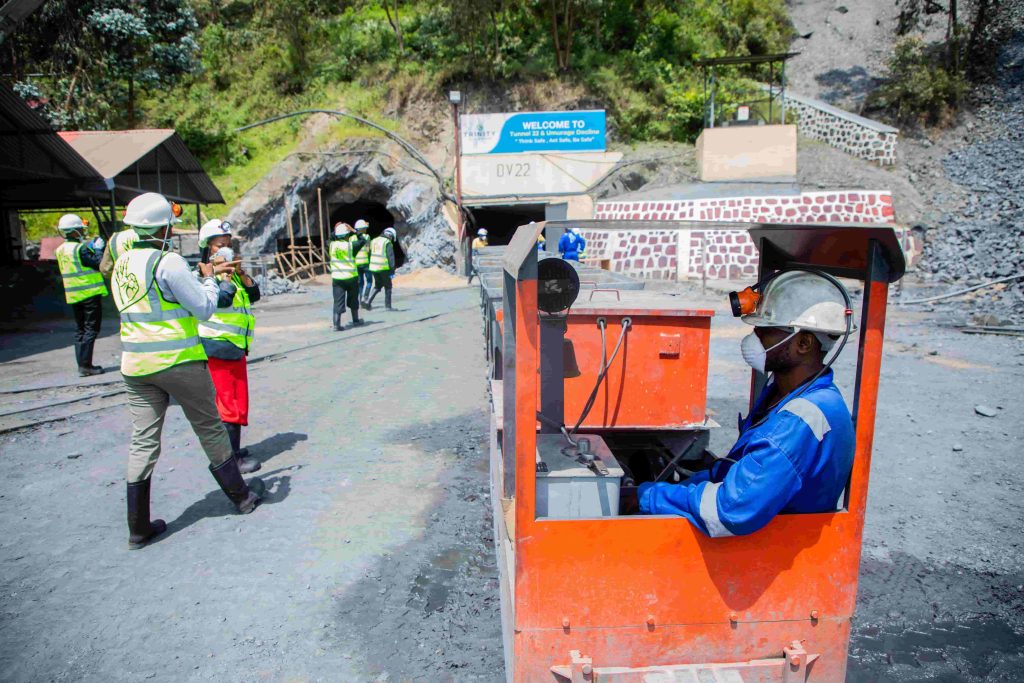
Rustenburg Mine Scenario: Define the Protected Load and Supply Scope
The private Rustenburg account cannot be presented as a verified commissioning/FAT case without its original records. Use the scenario to define the load, source transition, environment and acceptance evidence for a new mine offer rather than treating its numbers as universal product capability.
For a Rustenburg ventilation proposal, set the protected fan/pump/hoist duty and approved interruption limit first. Five ESSA0100B-0215 units would total 500 kW AC and 1,075.2 kWh nominal by arithmetic. The released parallel/control, usable-energy, air-cooling and generator scope must then support the required window; that block is not proof of the private 2025 as-built installation.
Project Parameters & System Configuration
- Project Type: Deep Platinum Mine
- Location: North West Province, South Africa
- Cabinet arithmetic:Five215.04 kWh units total 1,075.2 kWh nominal; usable AC energy and installed parallel scope are separate.
- PCS: 500 kW
- Commissioning: March 2025
- Ambient: 41.5°C (measured)
Load and Environmental Issues to Close Before Release
- Transition record:The claimed 9°displacement/40 ms PLL change needs original settings and test records. Use the actual fan/VSD limits and accepted transition scope in the new design.
- Dust service:The claimed two-week filterclog/six-month intervention interval needs the matched site record. Quote the actual filter, access and service plan.
- Cooling record:ESSA lists air cooling. The claimed 41.5°Cambient/31°Crack/liquid-cooled result requires its own BOM and temperature map.
Project Results That Need Matched Records
- Continuity result:The claimed 68events without fan interruption need the actual event, load and transition records; not a chemistry guarantee.
- Diesel result:The claimed 80%runtime reduction needs fuel/load/source records; it does not prove all shaft exhaust sources were eliminated.
- Safety acceptance:A site inspection cannot establish no future thermal-runaway hazard. Require the matched system/installation safety scope.
- Note: Results vary depending on site configuration, local tariffs, and environmental conditions.
Underground Mining BESS Safety Architecture
The topology must be approved against the mine’s actual electrical and safety requirements. Define the protected loads, source/control authority, isolation, alarms, fire strategy and permitted installation boundary with the responsible site team; a generic diagram is not MHSA approval.
Figure 2: Underground Mining BESS Safety Architecture. Surface BESS integration with dedicated fire/thermal monitoring, powering critical underground loads via protected shaft cables.
Project Implementation Workflow
To ensure successful mining deployment, EPCs must follow a structured engineering workflow from initial site assessment to commercial operation.
Figure 3 shows a planning sequence. The mine’s approved hazard, design, release, commissioning and operating responsibilities determine the actual acceptance gates; the diagram does not itself establish compliance.
Engineering Comparison: Diesel Genset vs. Solid-State BESS for Mining
Mine operators must evaluate the total cost of ownership and safety profile of their backup power systems.
|
Metric
|
Underground Diesel Genset
|
Solid-State BESS
|
|---|---|---|
|
Ventilation Continuity
|
Actual generator/transfer/load sequence
|
Accepted PCS/source/load transition scope; no universal 8–10 ms guarantee
|
|
Underground Safety
|
Mine-approved siting, exhaust and electrical scope
|
Mine-approved cell/system/fire/electrical scope; chemistry alone is not approval
|
|
VSD Ride-Through
|
Actual drive/source/voltage behavior
|
Actual accepted VSD/PCS/transition test
|
|
Maintenance (Dust/Humidity)
|
Site-specific filters/service and environment
|
Offered cooling/filters/service; IP54 is not dust proof
|
|
Diesel Logistics Cost
|
High (Remote transport)
|
Fuel may fall; charging energy, auxiliaries and support costs remain
|
|
Overall Economics
|
Matched installed and operating costs
|
Duty/fuel/recharge-backed cash flow; no universal 1.3-year payback
|
Engineering Checklist for Selecting a Mining-Ready BESS Manufacturer
Put the mine-ready scope in the purchase contract: actual load/transition tests, environmental limits, cell/system safety evidence, installation responsibility and support response. A supplier’s generic FAT or standards list cannot replace the required site configuration and acceptance.
A stalled fan or an exhausted backup window is the cost your equipment offer must address. Send MegSolid the fan/hoist/pump traces, start/restart method, required AC power and hours, source arrangement and site environment for an OEM/ODM manufacturing proposal. Ask for the named cabinet/PCS block, usable-energy and transition scope, released interfaces, acceptance package, delivery and support responsibilities. Compare C&I outdoor cabinet ESS against that mine duty rather than buying an unqualified underground-safe claim.
References & Industry Standards
The references address mining, equipment, connection, safety and installation scopes. Identify what applies to the named equipment and actual mine project, then verify the relevant report and approval documents. Listing a framework does not establish that every MegSolid configuration complies with it.
- MCSA: Minerals Council South Africa Annual Report.
- ICMM: International Council on Mining and Metals Decarbonization Guidelines.
- IEA: International Energy Agency Mining Energy Outlook.
- MHSA: South African Mine Health and Safety Act.
- ISO 19296: Mining machinery safety requirements.
- UL: 9540A : Thermal-runaway fire-propagation test method for BESS; distinct from UL 9540 equipment certification
- IEEE: 1547-2018 Standard for Interconnection and Interoperability of Distributed Energy Resources.
- IEC: 62619 Safety requirements for secondary lithium cells and batteries in industrial applications.
- NFPA: 855 Standard for the Installation of Stationary Energy Storage Systems.
FAQ
Q1: Why is solid-state chemistry required for underground mining BESS?
Compare the supplied cell/BOM and system safety scope. An electrolyte may reduce a particular flammability pathway, but no chemistry label establishes safe underground deployment. The mine’s installation and hazard review remains essential.
Q2: How does BESS prevent mine ventilation fans from tripping during load shedding?
Agree the actual fan/VSD interruption tolerance, transition mode and source/control configuration, then verify them on the supplied equipment. A universal 8–10 ms or PLL label does not guarantee ride-through or eliminate every phase/voltage disturbance.
Q3: Can the BESS survive the high dust and humidity in South African mines?
Confirm the named model’s ingress, cooling, filters, condensation conditions and maintenance for the actual dust/humidity duty. IP54 is not dust proof, and a liquid loop still rejects heat externally. Cyclonic filtering or no-derating performance needs its own configuration and test evidence.
Q4: What is the typical ROI for replacing diesel with BESS in mining?
The former 1.3-year screen relies on assumed annual fuel/demand savings that were not derived from the 1 MWh/500 kW energy and recharge duty. Use actual generator fuel/load/outage records and one-currency cashflows; neither 1.3 years nor 35% return is a validated generic mine result.
Q5: Does the system comply with South African mine safety standards?
Require the offered model/BOM safety and propagation evidence, electrical/installation scope and applicable mine approvals. UL 9540A is a test method and does not by itself establish MHSA or ISO 19296 compliance for a site.
Q6: How does the EMS handle high-inertia loads like cage hoists?
The supplied PCS/control must support the actual motor-start, restart and reactive-power duty within its available envelope. Source authority, voltage behavior, protection and limits need an agreed design and witnessed acceptance; injecting reactive power is not a universal guarantee against VSD trips.
Q7: Is the BESS safe to install near critical infrastructure?
A supplied hybrid design may demonstrate a particular reduced-risk result, but solid-state batteries can still develop hazardous heat, gas or short circuits. Use the matched cell/system test and installation scope; do not infer universal reduced propagation from the label alone.
Q8: What communication protocols are supported for remote monitoring?
Agree the supplied EMS register/point map, protocol, timestamps, alarm/data-quality rules, command authority and fallback. Ethernet/RS485 catalogue interfaces do not establish automatic Modbus TCP mine-SCADA compatibility.
Q9: How fast must a microgrid inverter switch to prevent factory downtime?
Use the actual control/VSD/PLC manufacturer limits and approved protected-load requirement. The PCS catalogue does not establish a universal 8–10 ms transition, and PLC ride-through is equipment-specific. Verify the installed package rather than using a generic timing window.
Q10: What are Network Demand Charges, and how does BESS reduce them?
Network Demand Charges are fees based on a facility's peak power draw. The EMS discharges the BESS during peak load periods to "shave" the peak, reducing the measured demand and lowering the monthly charge.
Q11: How to ensure mine ventilation continuity during load shedding?
Define the ventilation loads and permitted interruption through the mine’s responsible engineering and safety review. Select the PCS, sources, protection and control sequence against that duty and verify the accepted transition. Chemistry or a generic 8–10 ms figure does not guarantee continuous airflow.
Q12: Is battery energy storage safe for underground mining?
Underground installation requires its own approved hazard, siting, ventilation, fire, electrical and emergency scope. Solid-state chemistry does not automatically make it permitted or compliant. Evaluate the exact supplied battery/system and site documents.
Q13: How does BESS reduce mining operational costs?
BESS may reduce generator running when usable energy, recharge sources and the approved operating sequence support it. Charging energy, auxiliaries, fuel curve, maintenance and retained backup reserve remain costs. A 1.3-year payback or zero fuel/logistics cost is not inherent to the product.
Get Your Custom Microgrid Engineering Consultation
Bring the mine duty, not just a battery capacity. Share the protected fan/pump/hoist schedule, high-resolution start/transition records, outage/recharge windows, generator and connection details, environment and commissioning deadline. Ask MegSolid to return the product/configuration proposal, usable-energy and acceptance obligations, delivery and support scope for the approved surface or underground installation boundary.
Global Sales & HQ (Hong Kong):
FLAT 7, 11/F BLK C HANG WAI IND CTR, 6 KIN TAI ST, TUEN MUN, HONG KONG
- Email: [email protected]
- Phone: +852 59811073
R&D & Manufacturing Facility (Huzhou):
No. 898 Mengxi Road, South Taihu New Area, Huzhou City, Zhejiang Province, P.R.China
- Website: https://www.solidess.com/